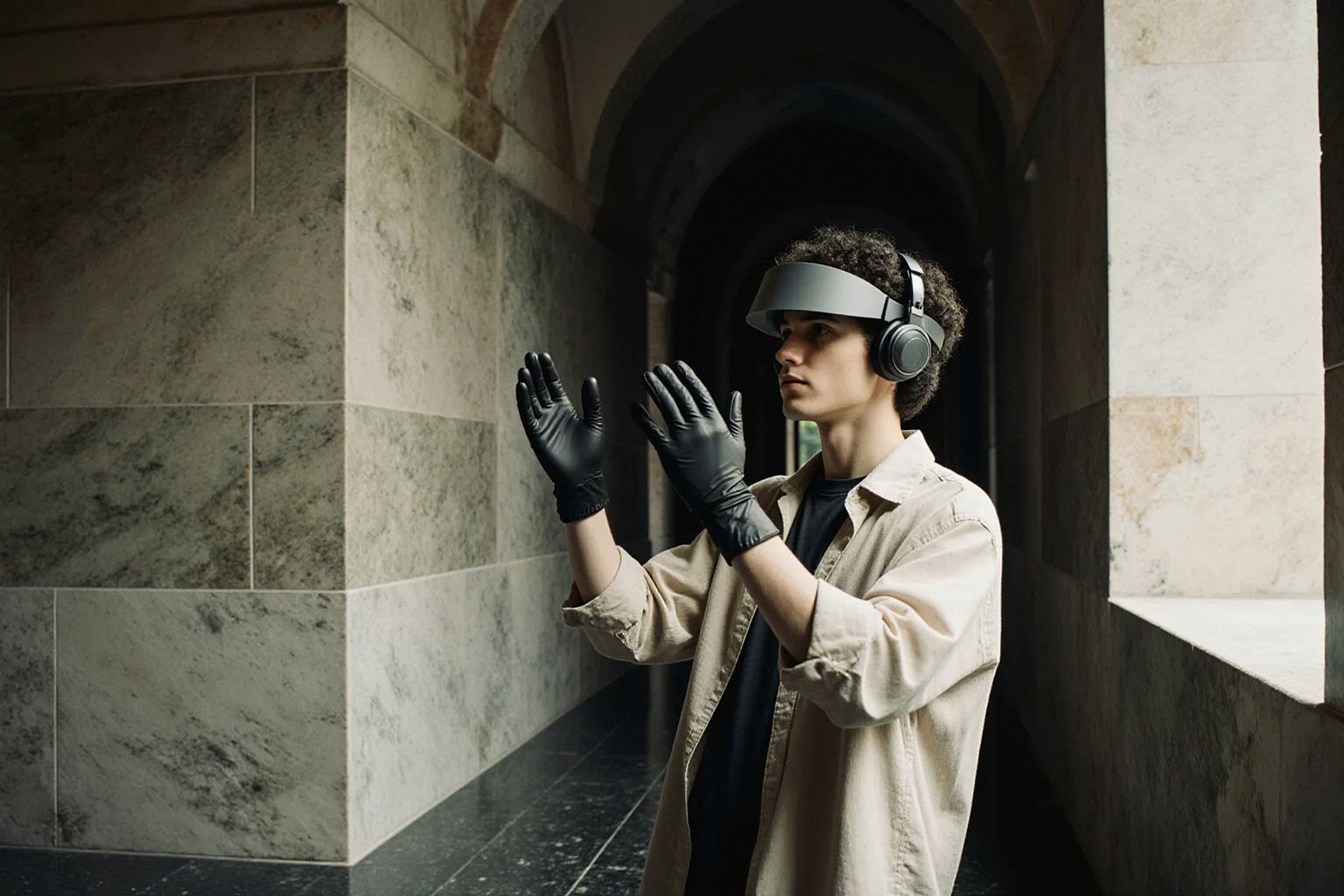
A university for original minds.
Think deeply. Work closely with scholars. Use extraordinary tools to pursue questions that matter.
Founding proposal, 2026. Concept images.
Scroll to follow one question.
Think deeply. Work closely with scholars. Use extraordinary tools to pursue questions that matter.
Founding proposal, 2026. Concept images.

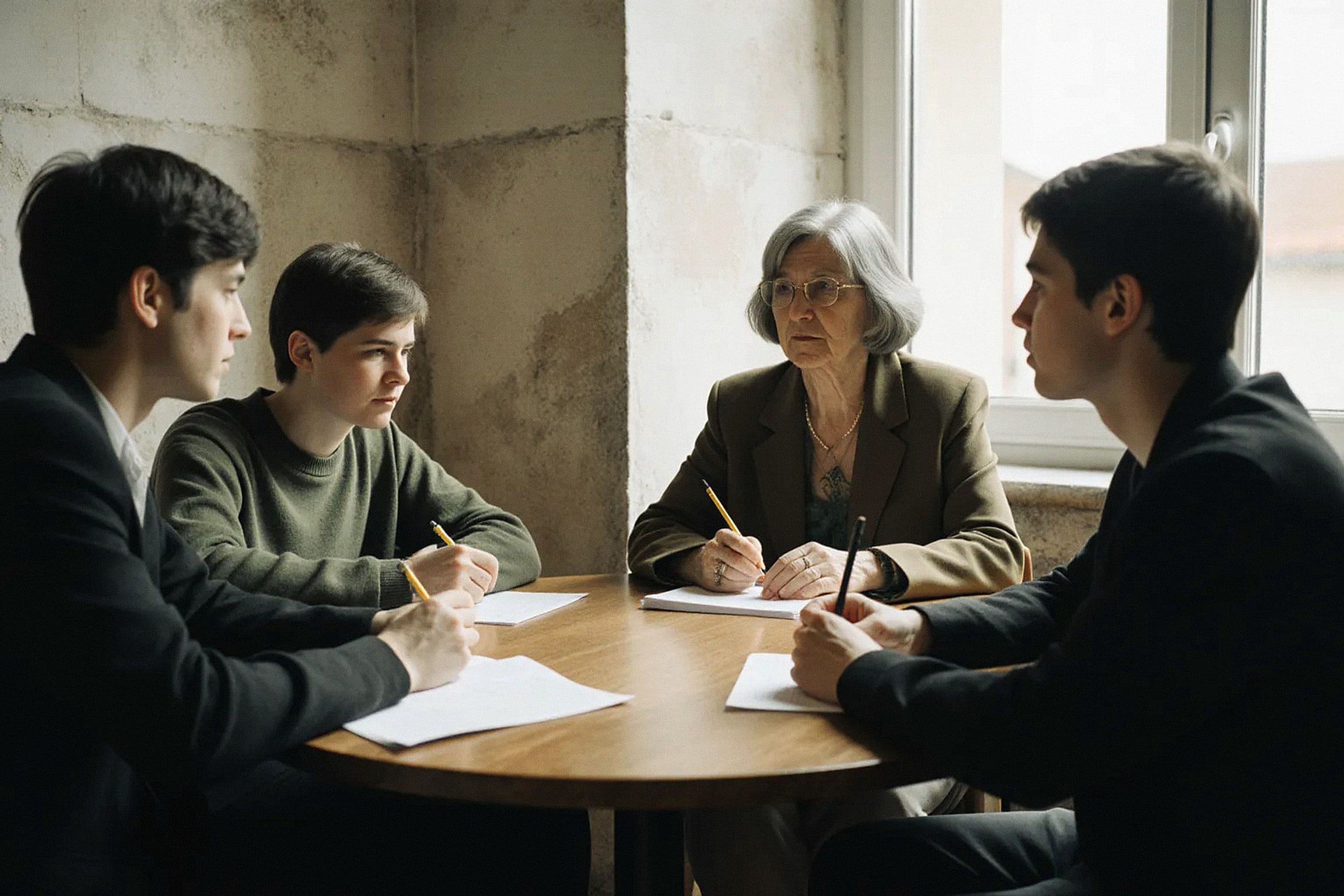
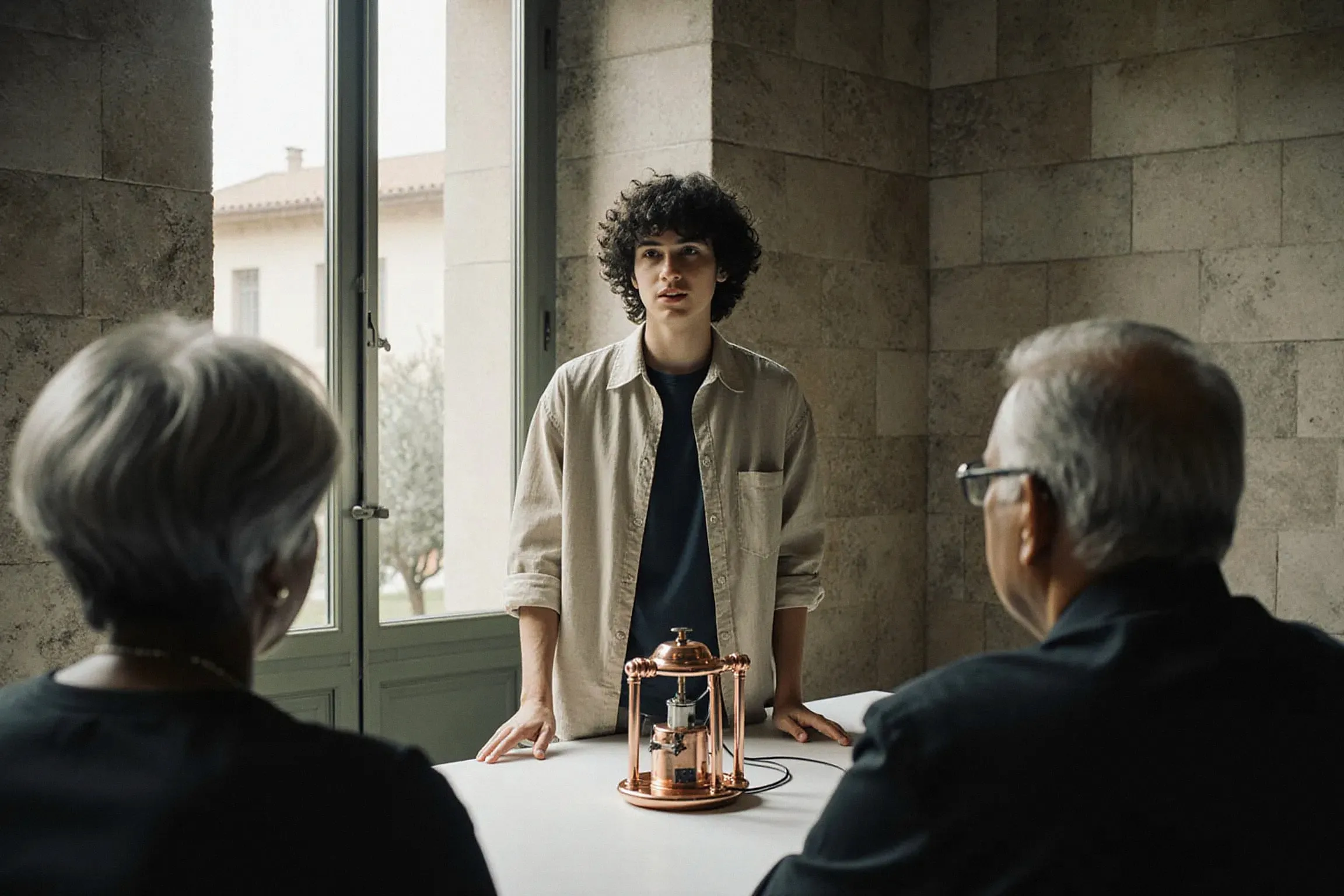
A student's question about a teaching model of a room: with a heat disturbance of d = 4, the air will not come down to a = 1.
The tutor can ask a question, give a hint or explain a worked example. When a number matters, a checked service returns it, and the tutor explains that result and makes its limits visible.
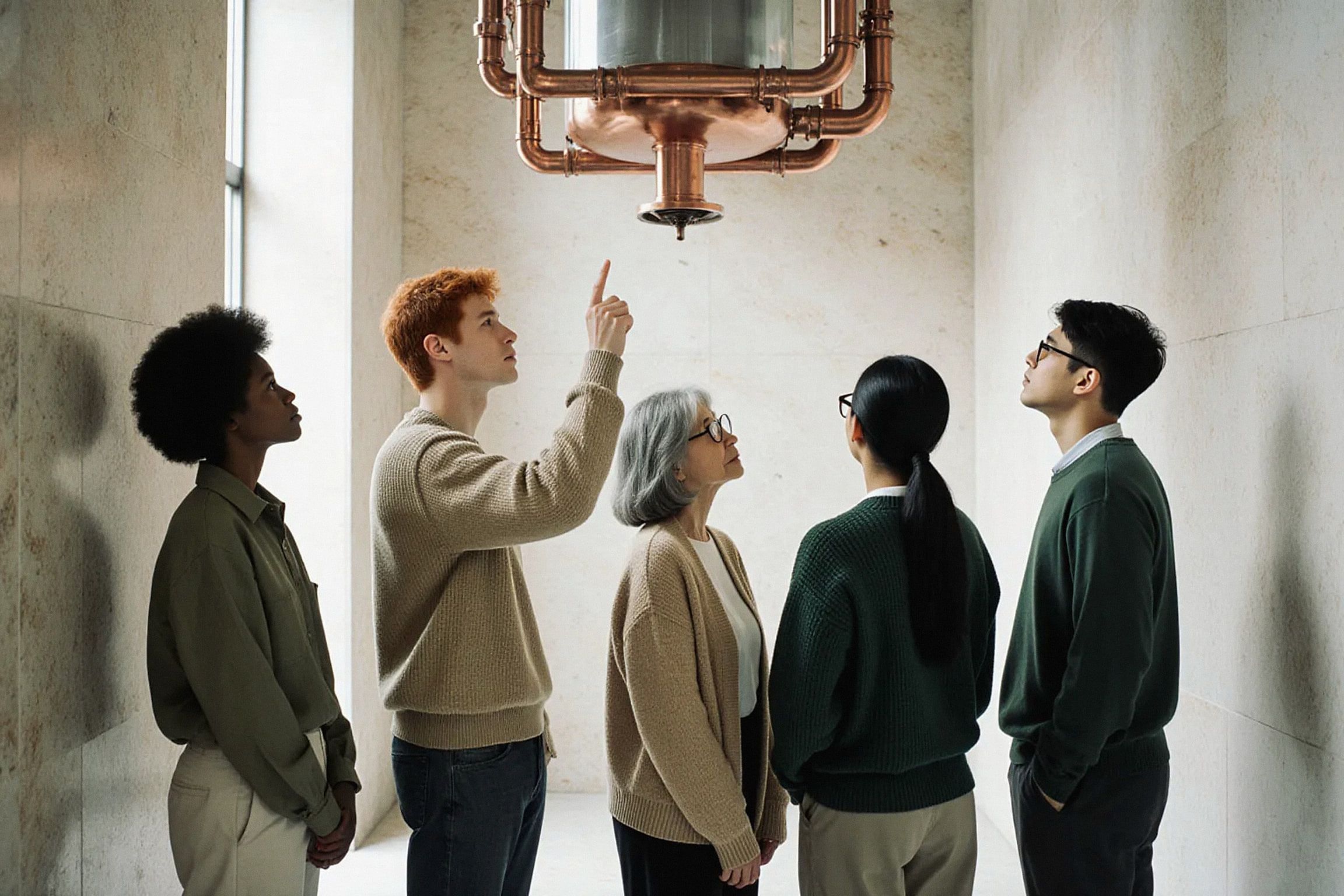
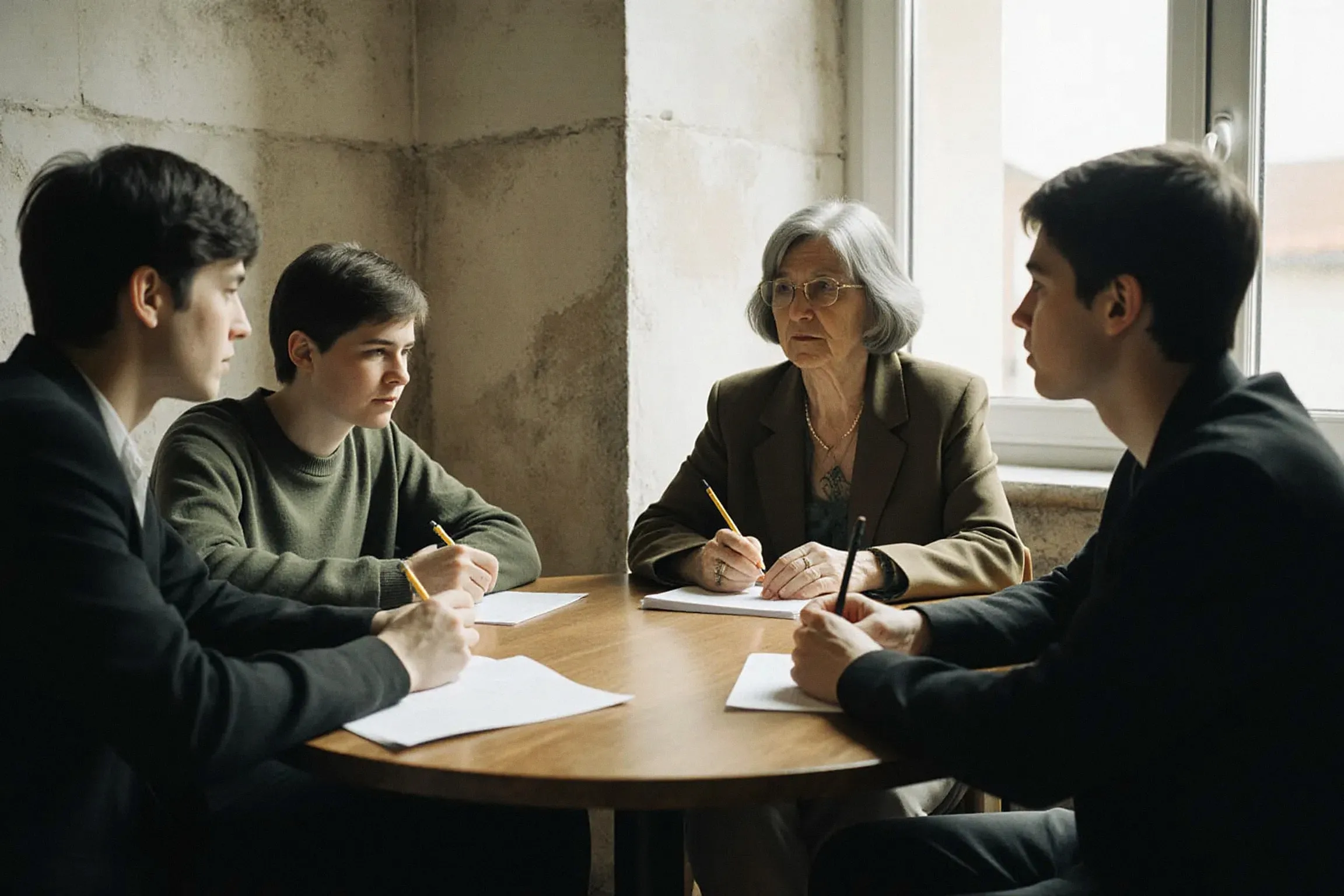
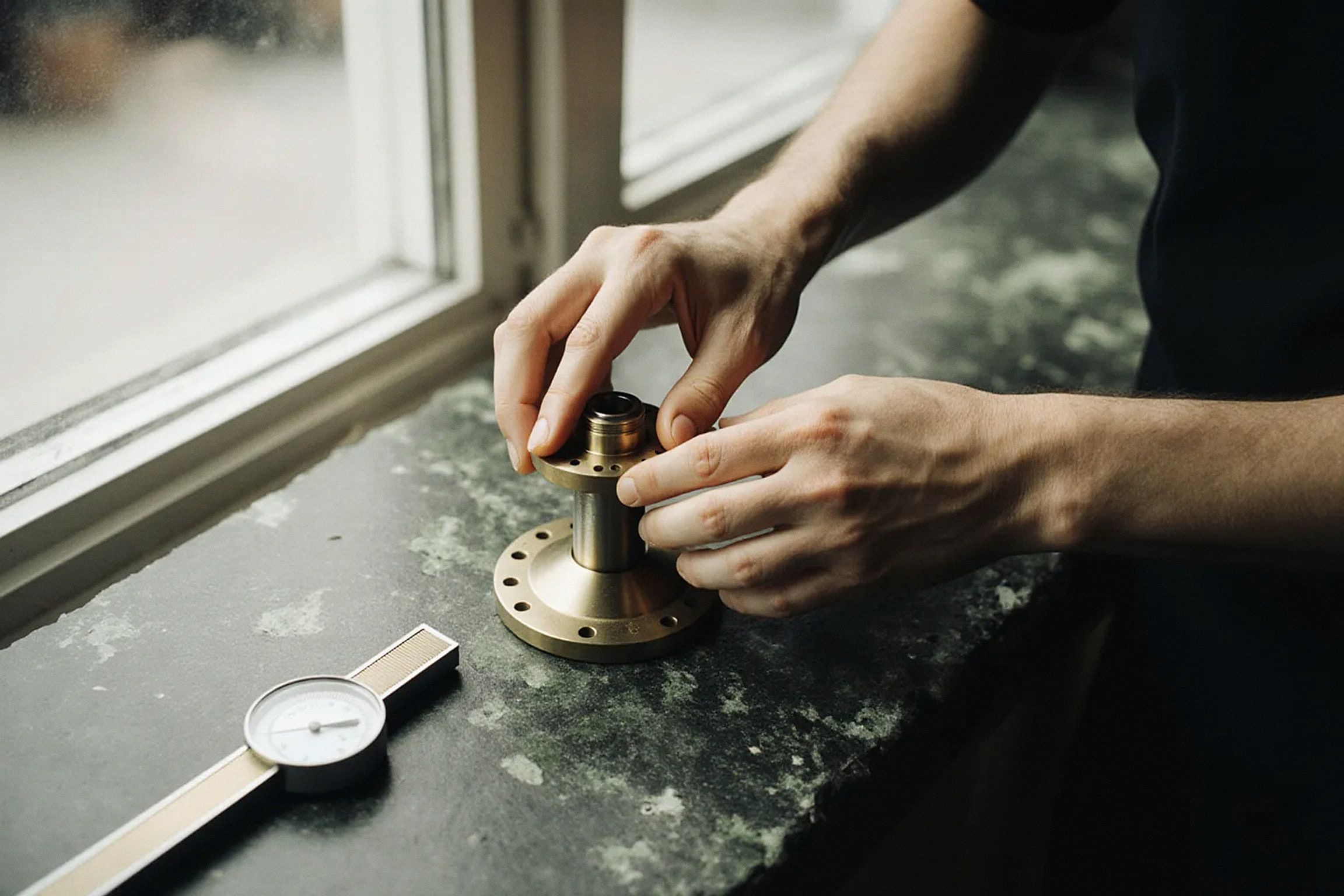
Four students and a professor pull a heat exchanger apart and argue about why its geometry changes the response.
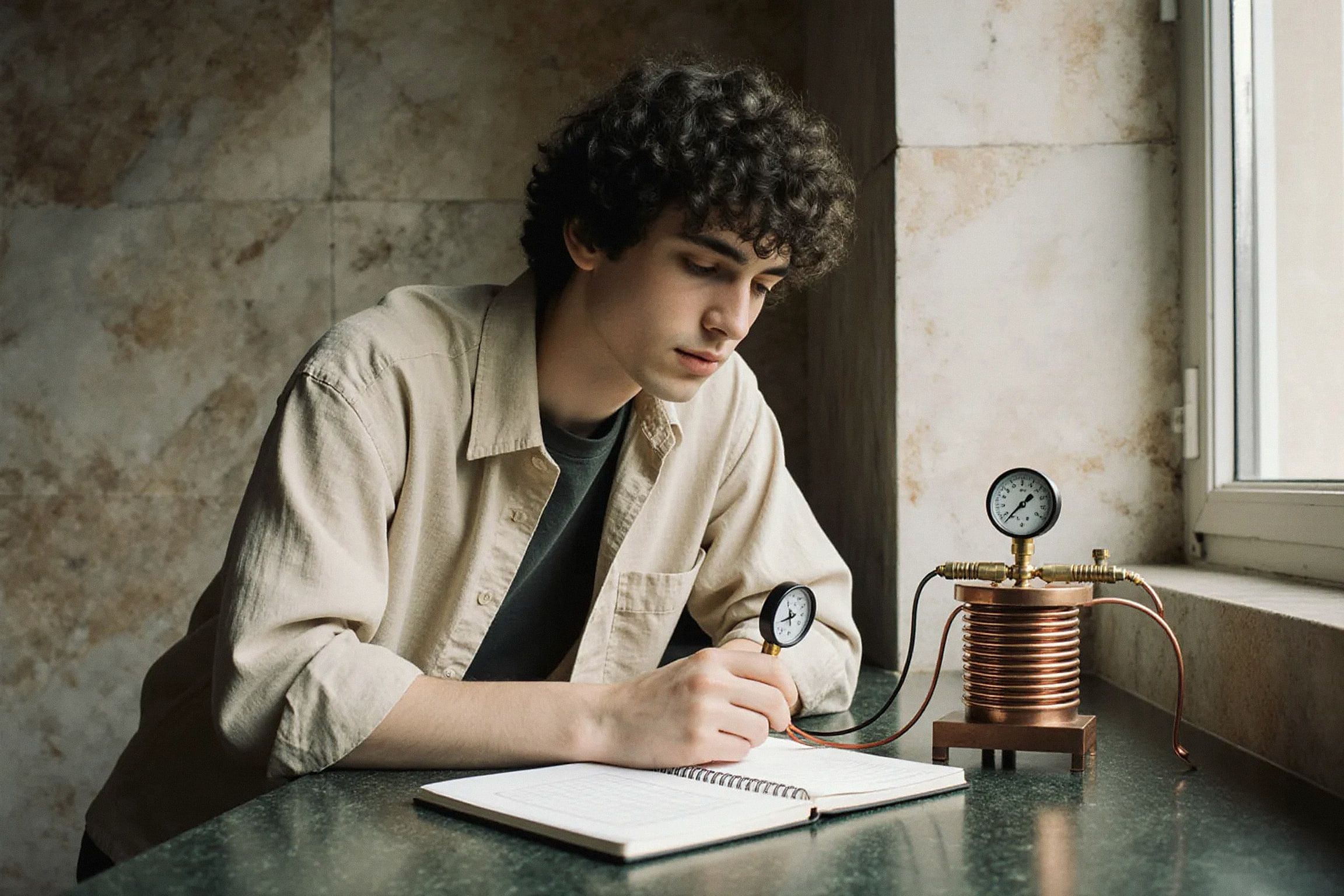
Model response for two hours at d = 3, u = 1. An invented teaching case; the bench is where it is tested.
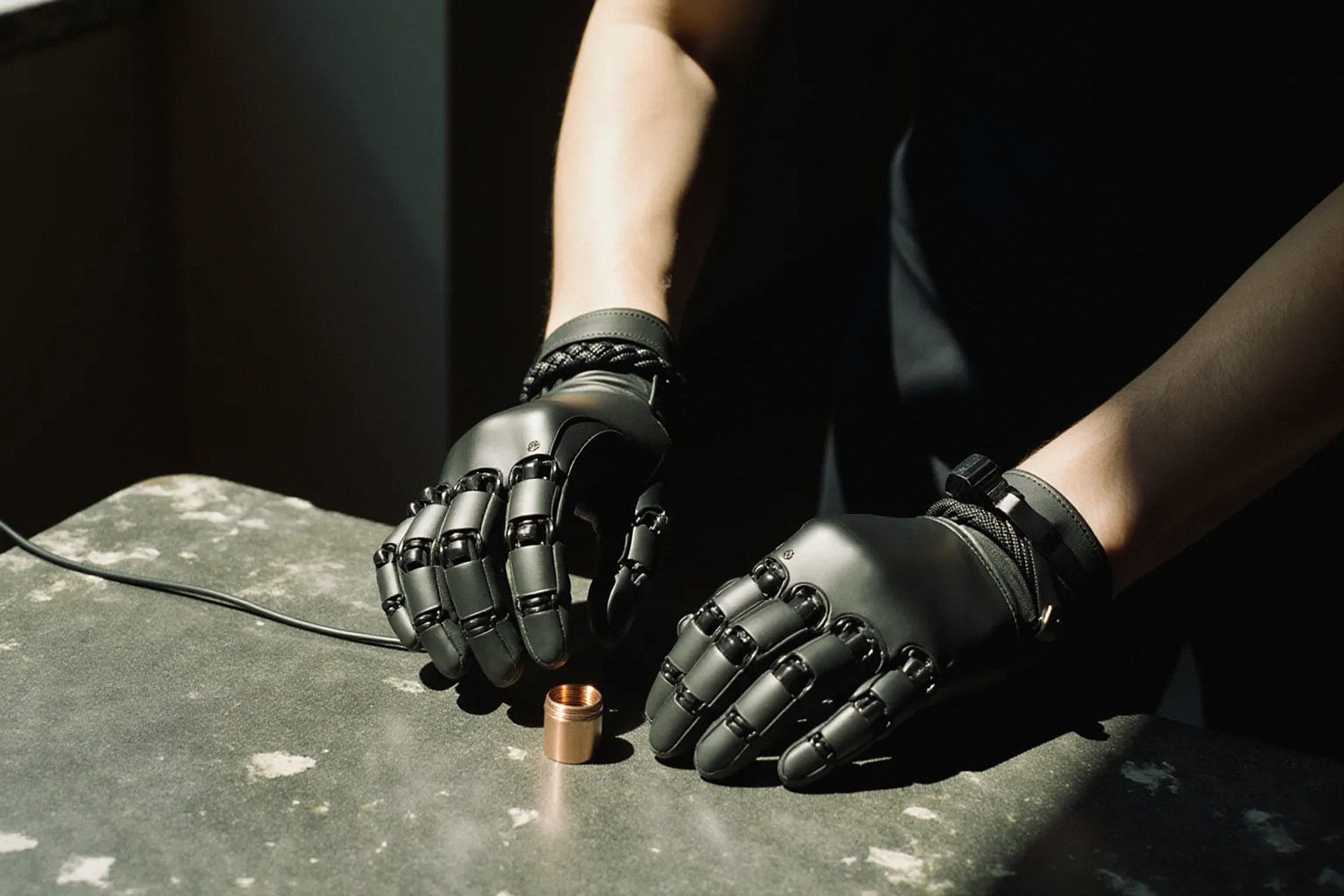
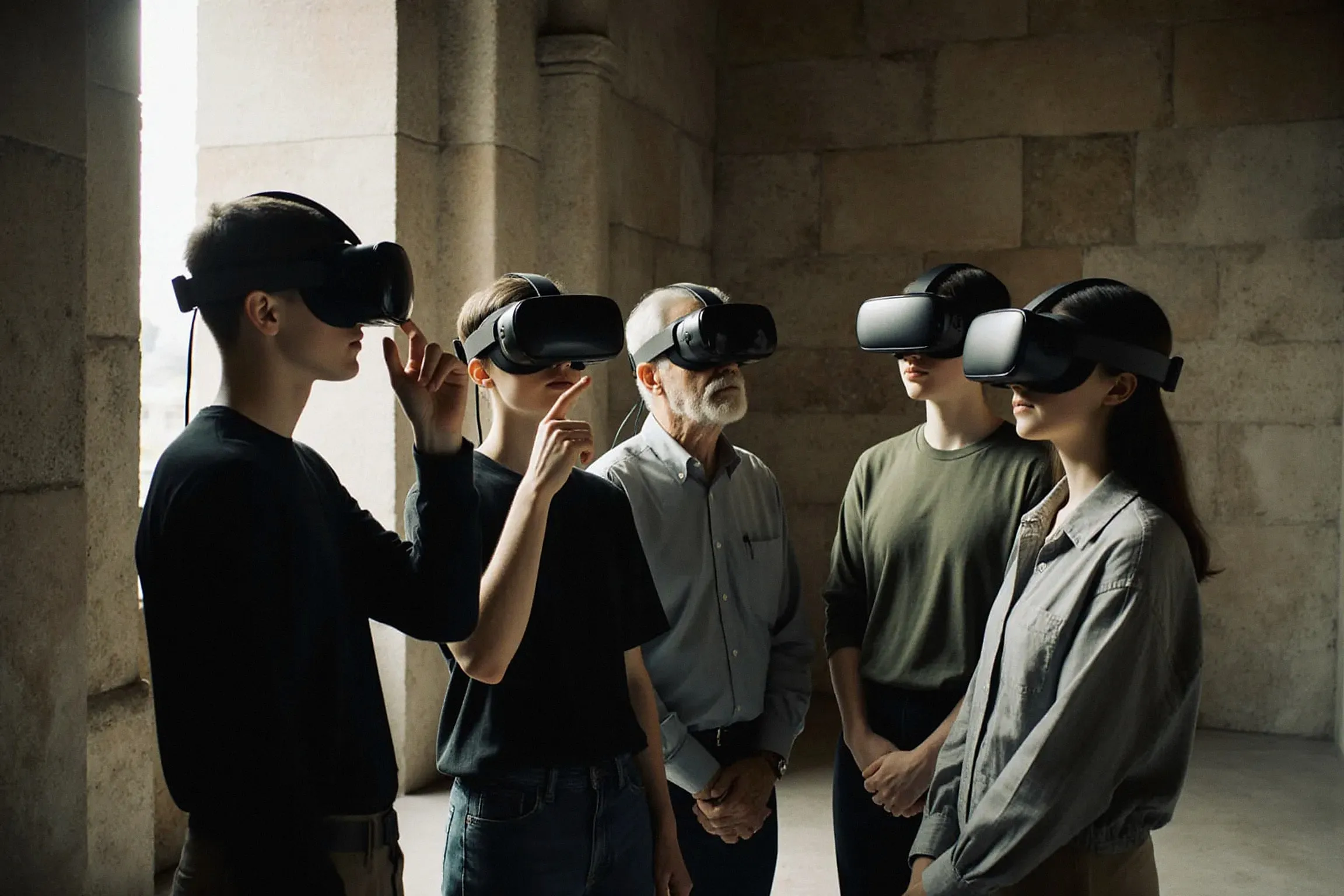
Instrumented gloves, 135 tactile actuators per hand on the reference device, for tolerances and selected cues.
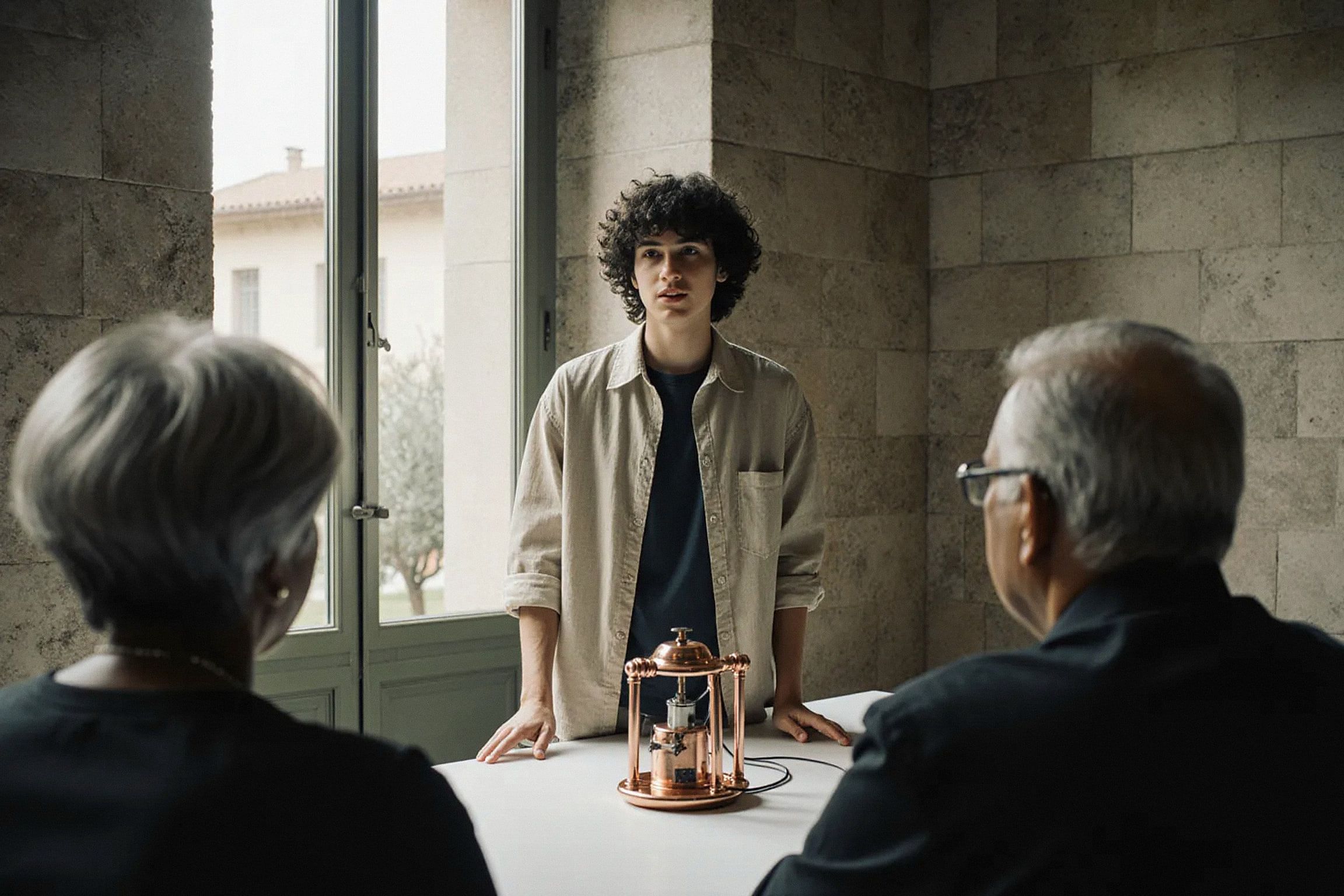
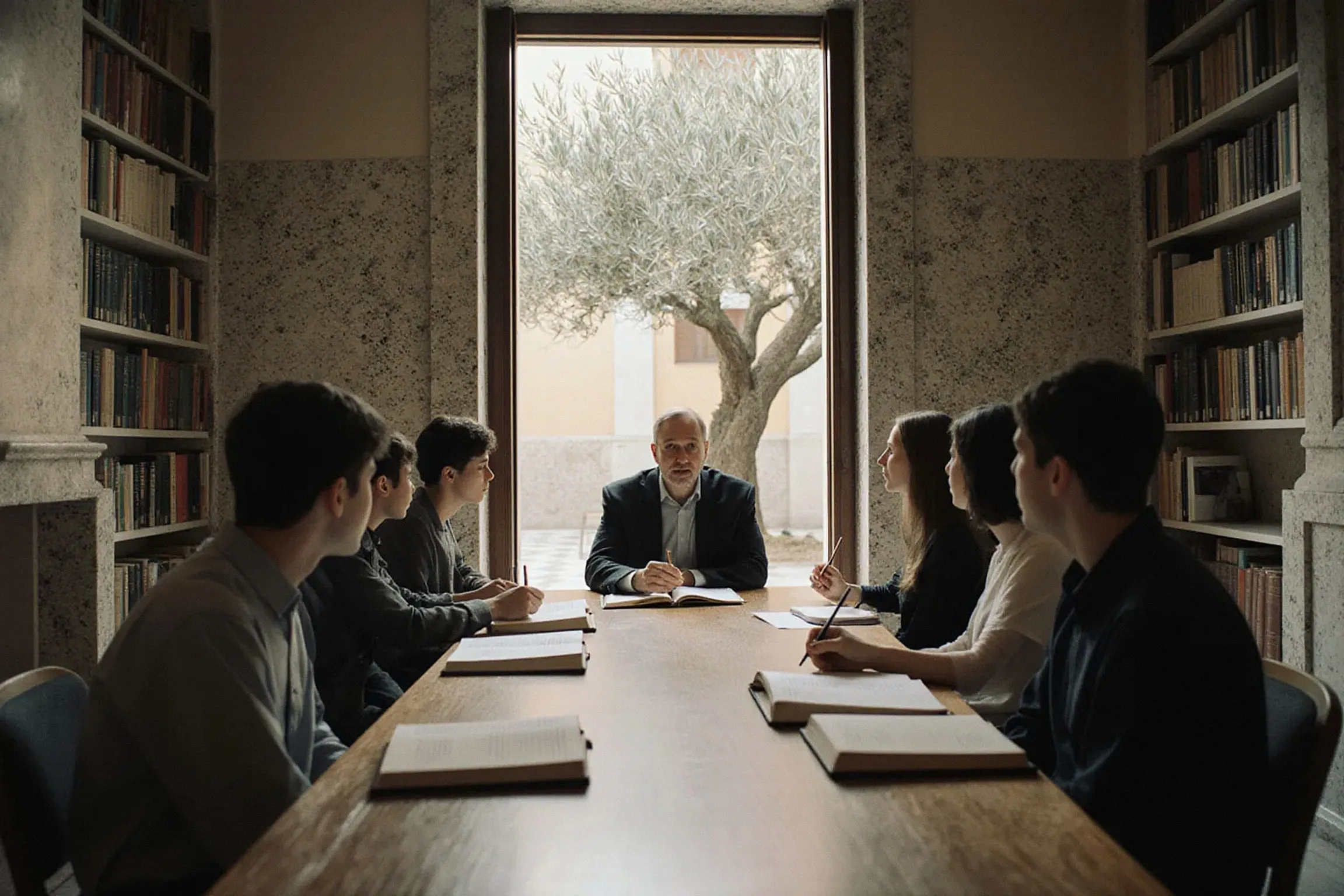
The proposal's reference project expects a result that limits what the system can promise. The defense changes a condition and asks you to reason from your own work.
A constructed reference case, neither a completed student project nor a claim that capstone delivery has been tested.
This is the proposal's own teaching model, computed in your browser: air and wall temperature, one step a minute, a cooling command that may only run from 0 to 1. It is an invented teaching case, not a calibrated room.
Target: an air deviation of 1 °C. The controller is told to do whatever the target requires, up to the limit of the command.
Command required: 1.00. Allowed: 0 to 1.
Reachable, exactly at the limit of the command.
Steady relation a = d − 2u. At d = 3 the command sits exactly at the limit; at d = 4 the proposal's reference solution reads target infeasible in this model. It does not establish physical safety or model accuracy.
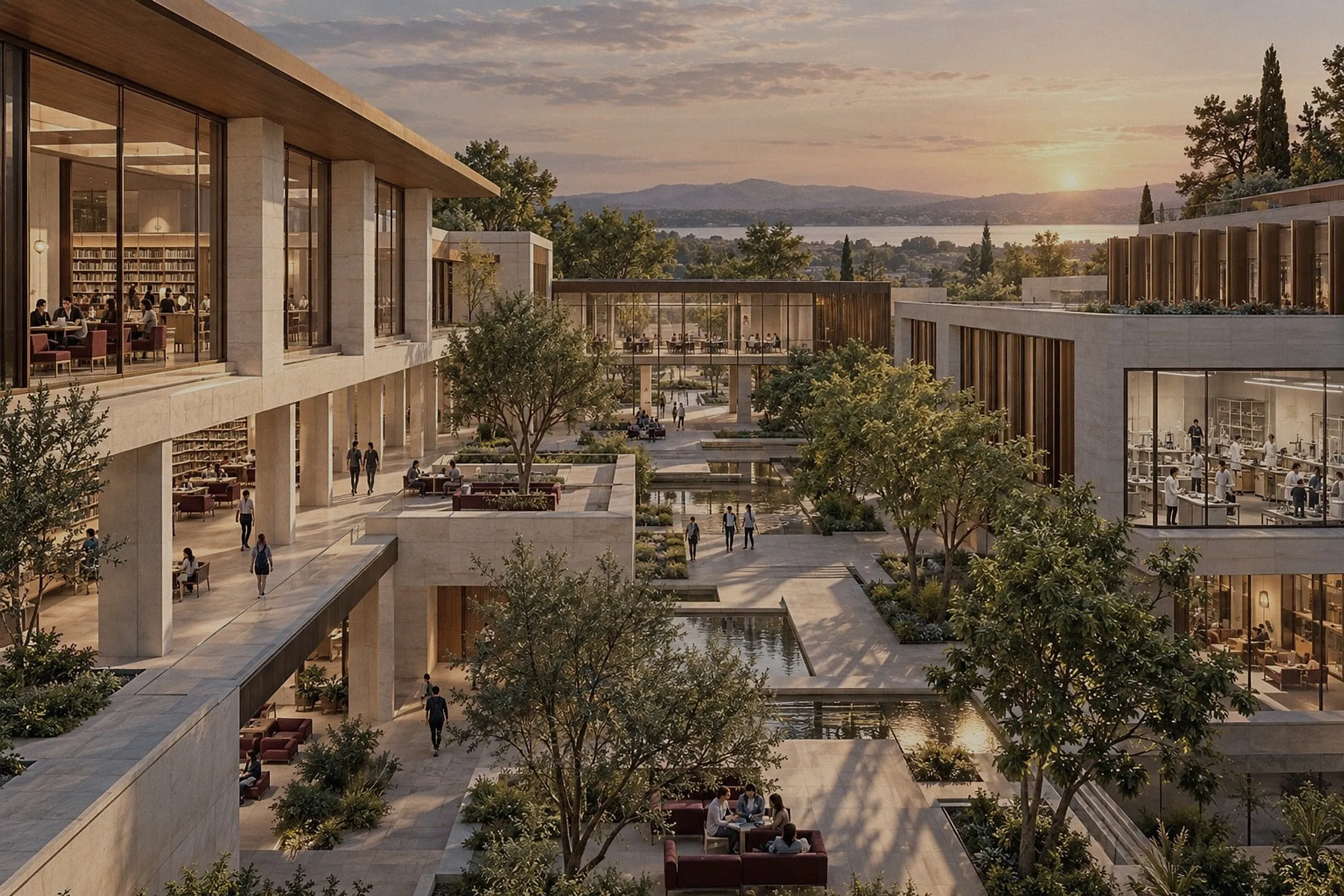
Baret brings exceptional students into close contact with accomplished scholars, and gives them the tools to investigate questions at a depth that ordinary teaching often cannot reach.
A founding proposal. Nothing here implies existing appointments, an authorized degree or measured outcomes.
Students learn mathematics and computation, investigate the physical world, and read closely about human experience and institutions. They specialize in Computational Systems or Physical Systems Modeling and finish with a substantial investigation they defend individually.