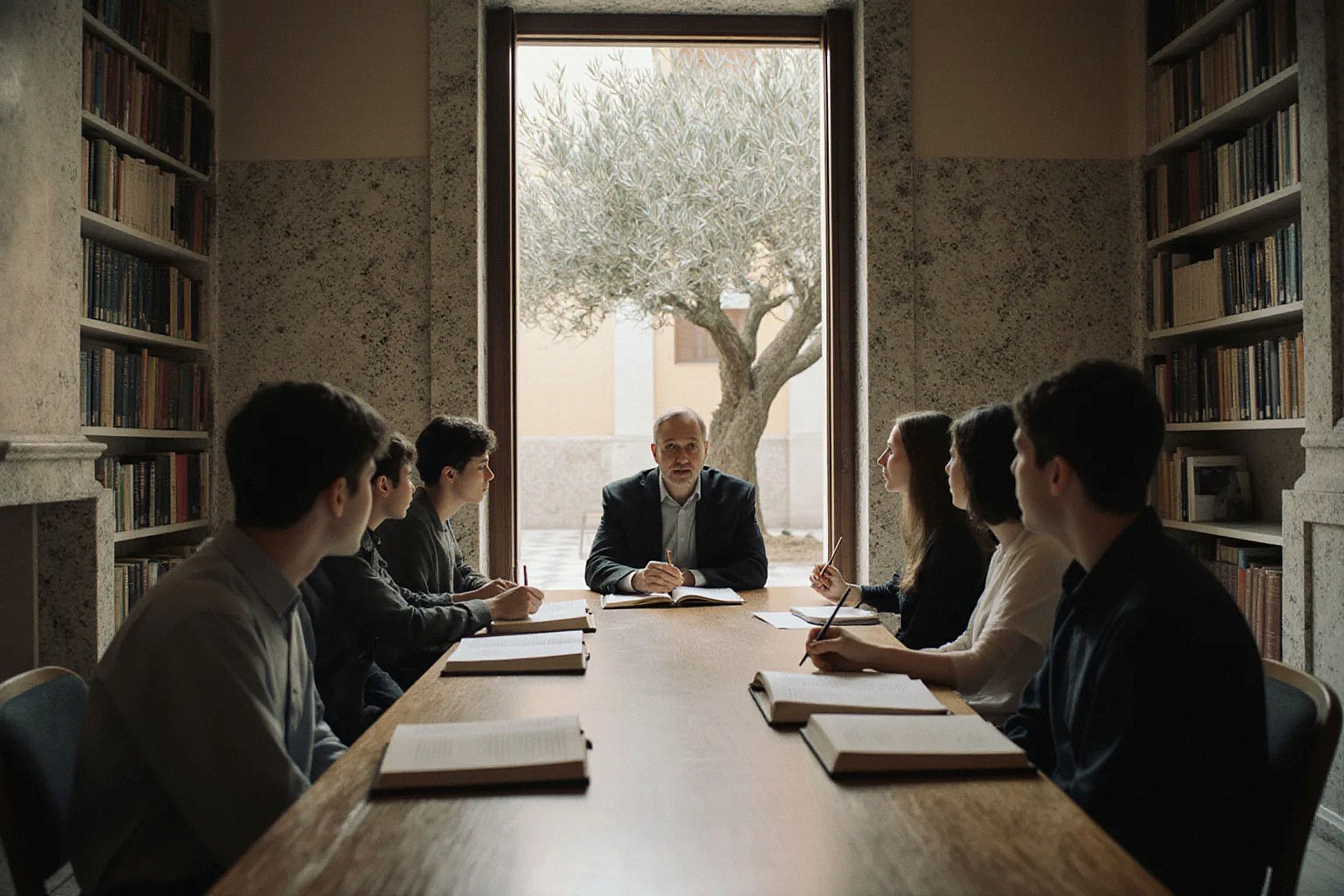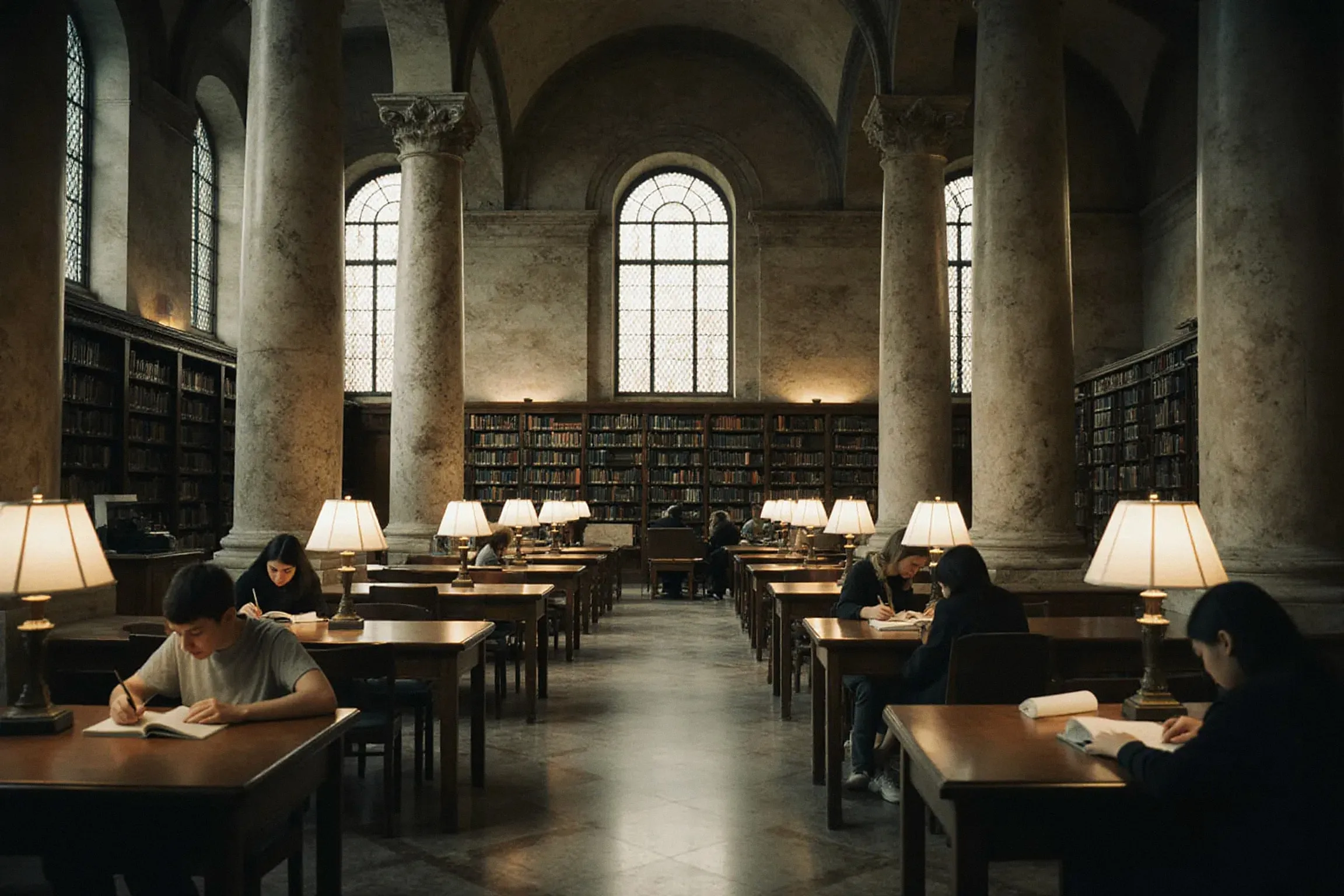
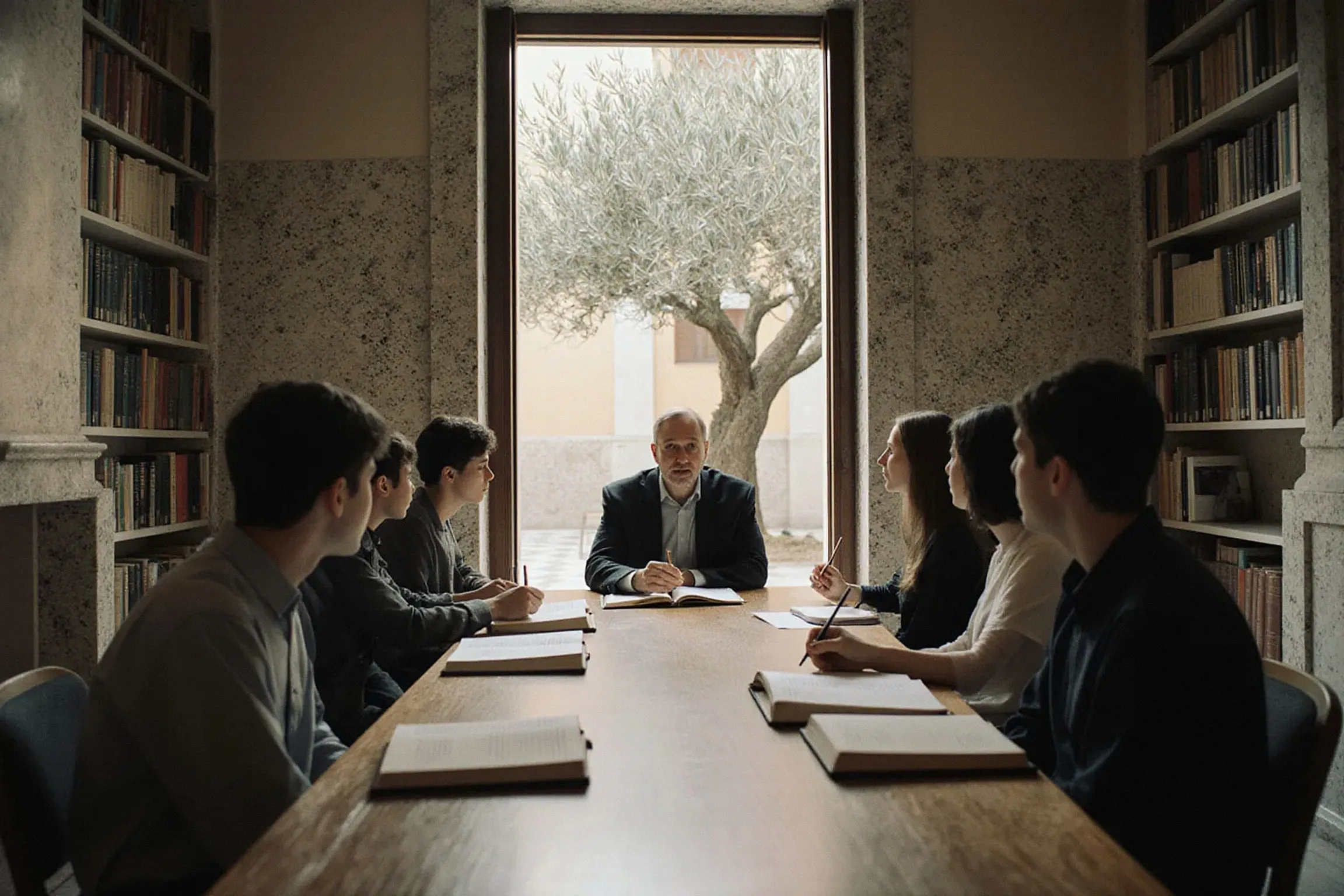
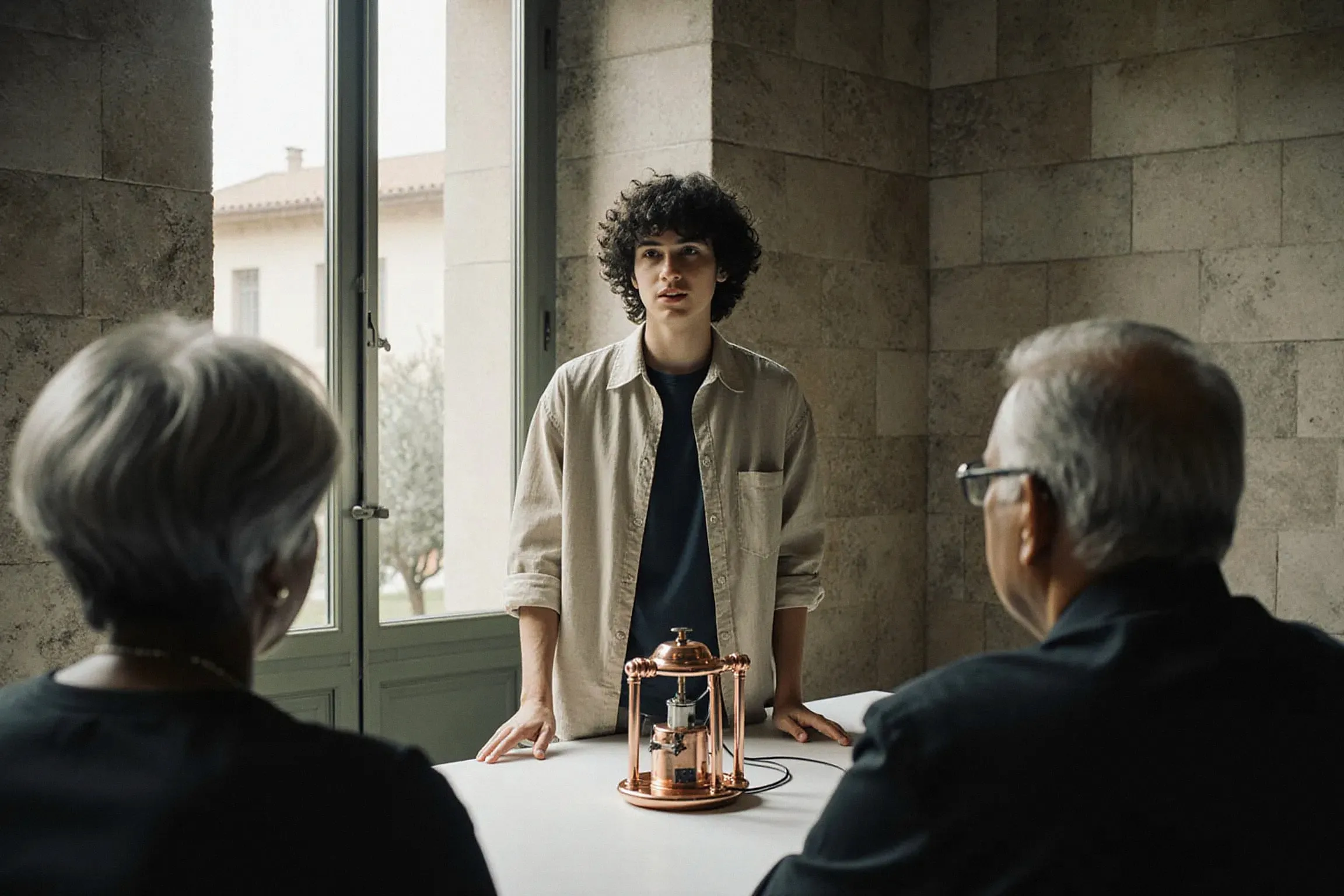

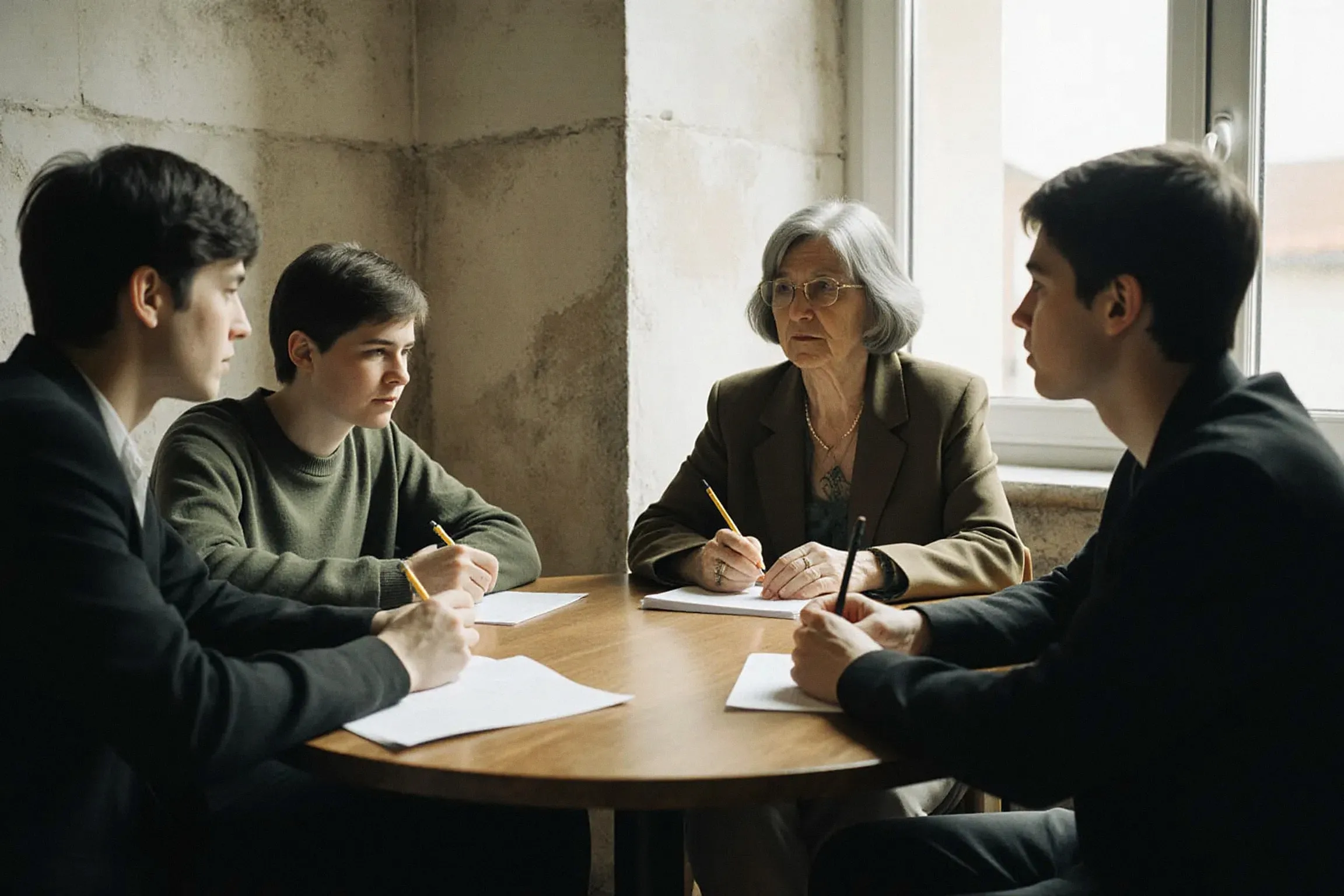
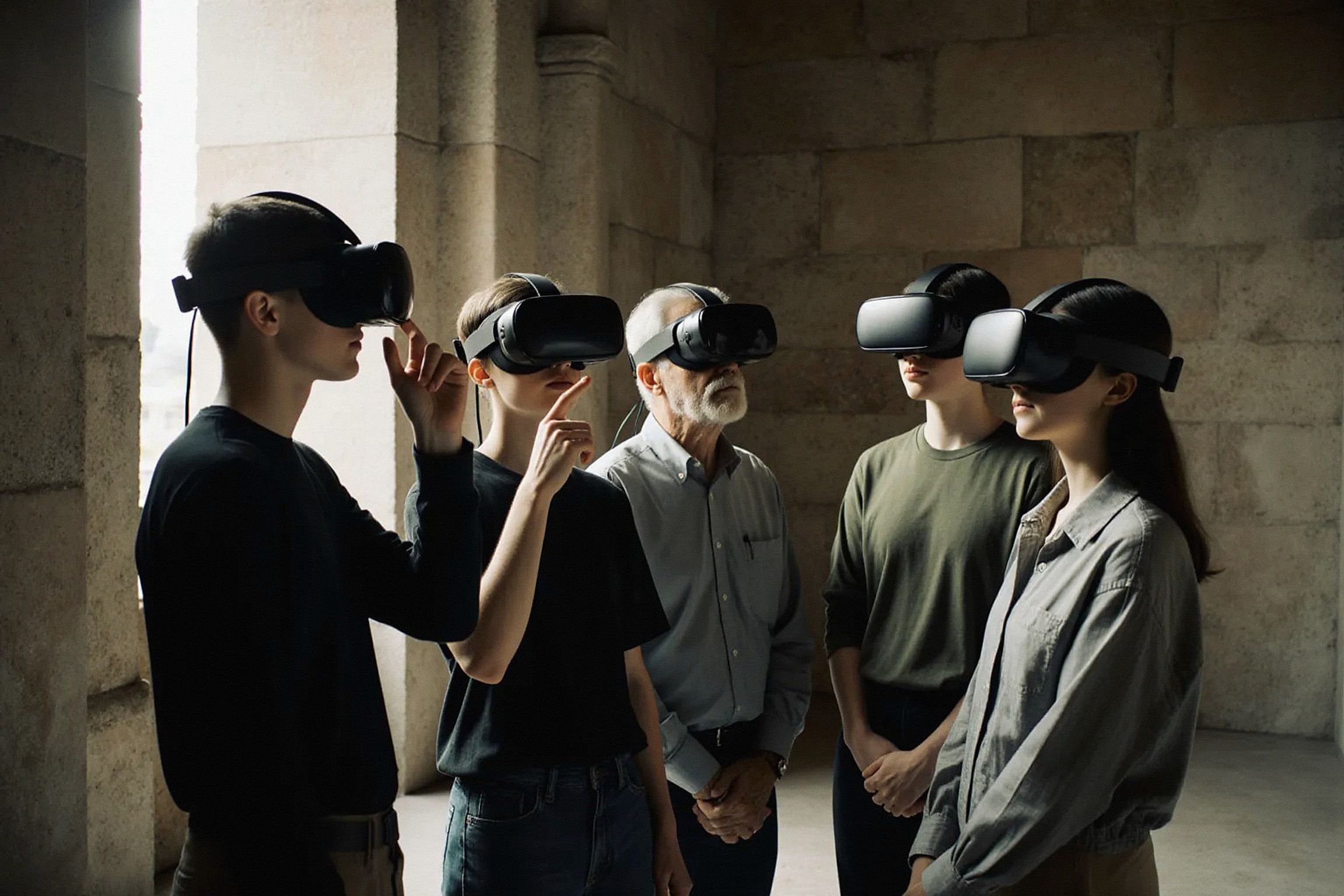
Four settings. One question.
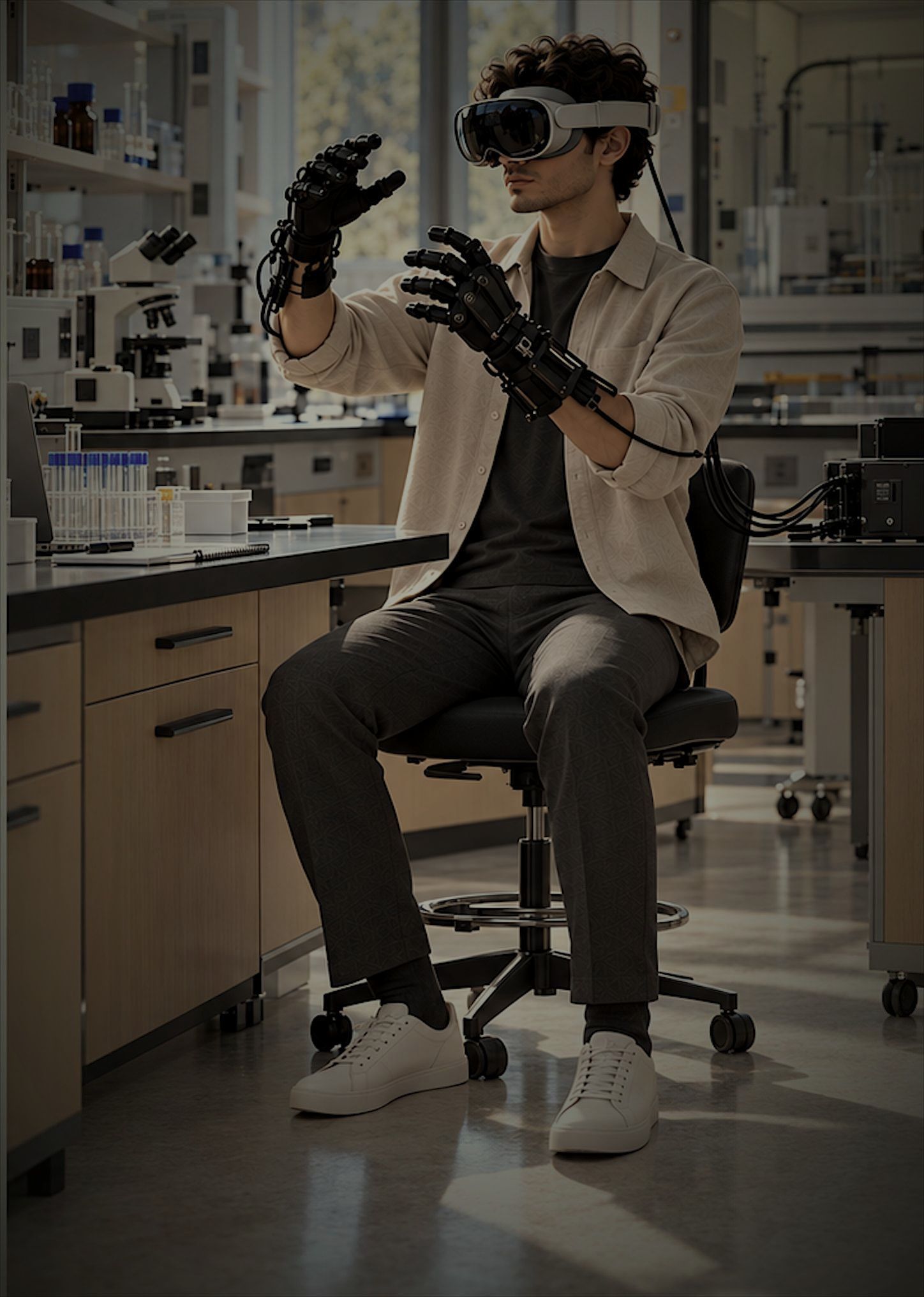
Test an explanation with a private tutor, enter a shared model, compare the prediction with an experiment, then rehearse the manipulation by hand.
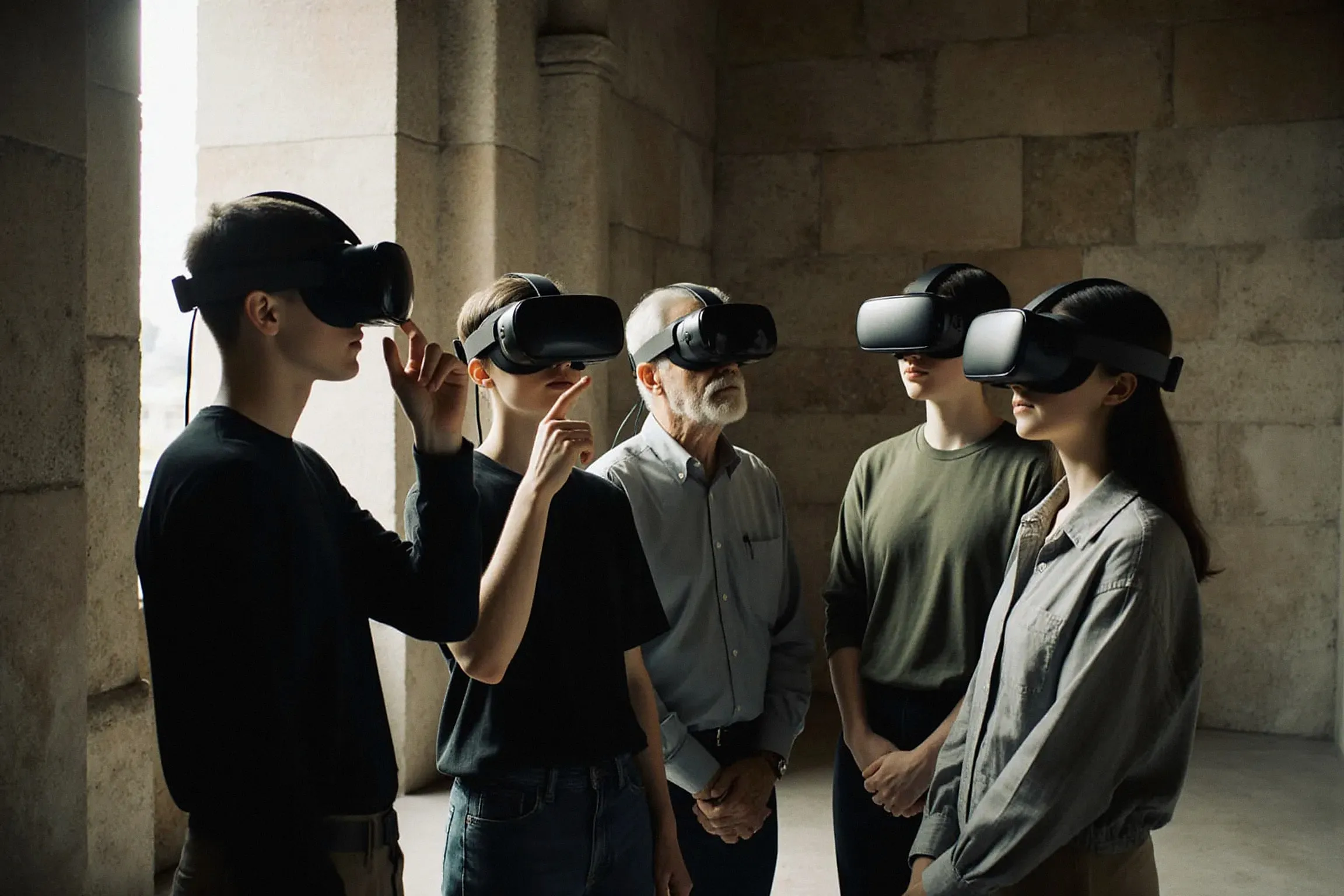
Concept image. What they are looking at exists only for them.
A headset when space matters. Set aside when it does not.
Baret selects tasks where scale, spatial relationships or practiced manipulation make a difference. Greater presence is not the goal; a reading seminar or a proof may work better on paper.
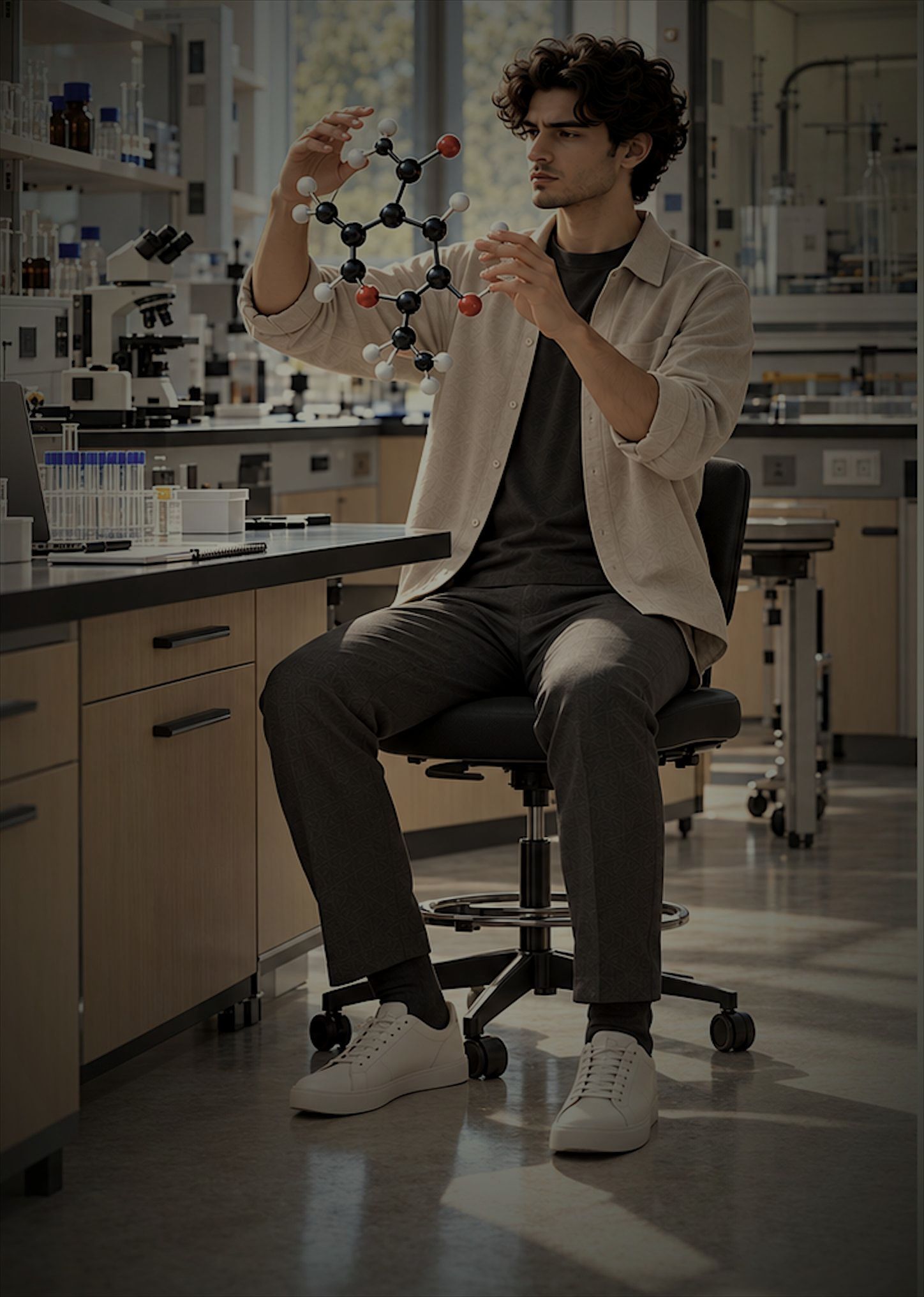
A private tutor.
It sees your attempted reasoning, retrieves the relevant source and calls a checked calculation, without confusing those kinds of evidence.
Private study stays separate from formal assessment. You choose what to share with a professor.
Concept renderings from the design. Depicted hardware is illustrative, not a product specification.
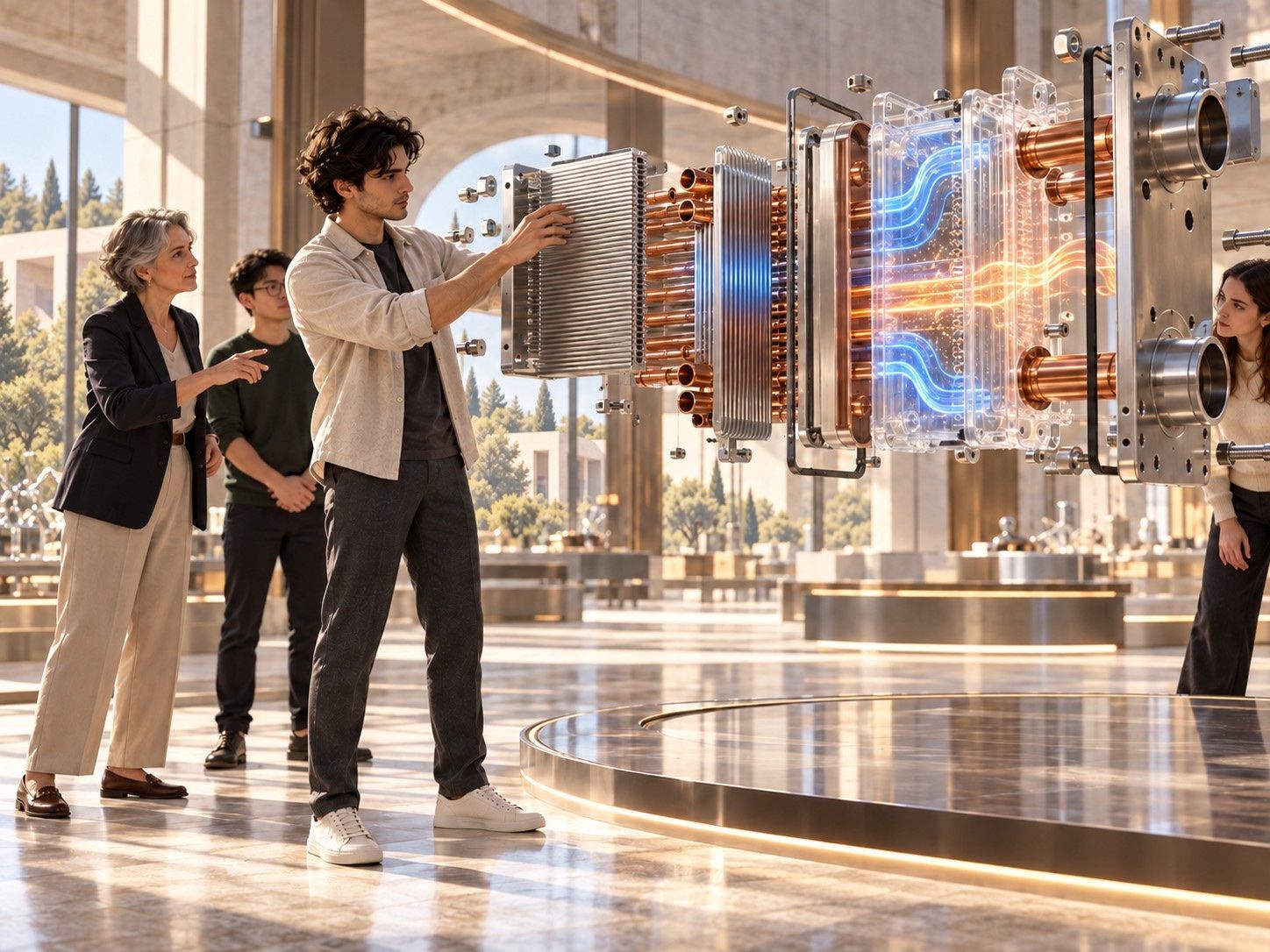
One object. Five seats.
Tube bundle Baffles Head Tube sheet Hot stream Cold streamFour students and a professor in one spatial session. One shared object; each person controls their own view. Scroll to open it, drag to turn it, or take a seat.
Holds the scale, and separates the parts.
Geometry and flow are illustrative. Scientific values come from a checked model, not the renderer.
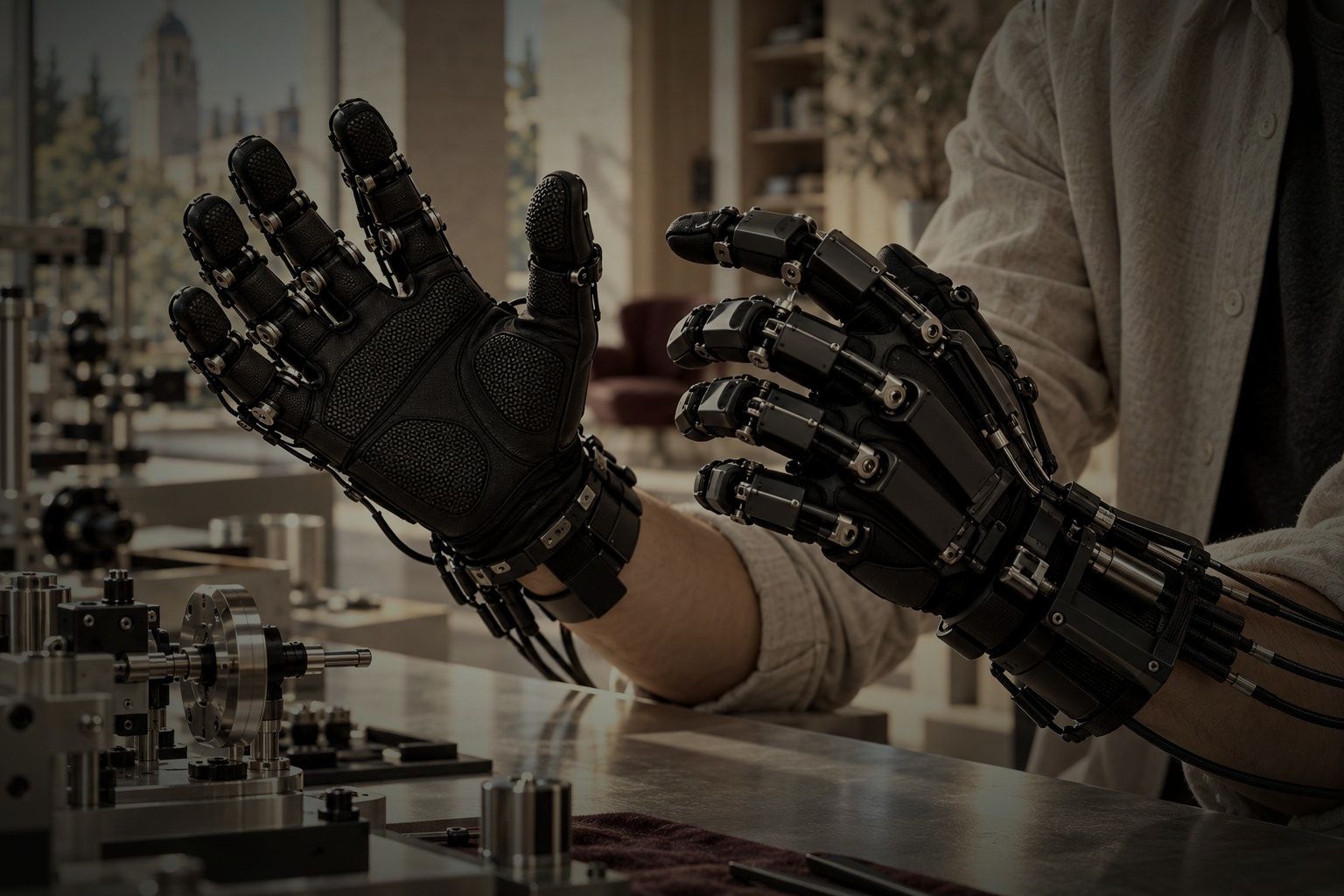
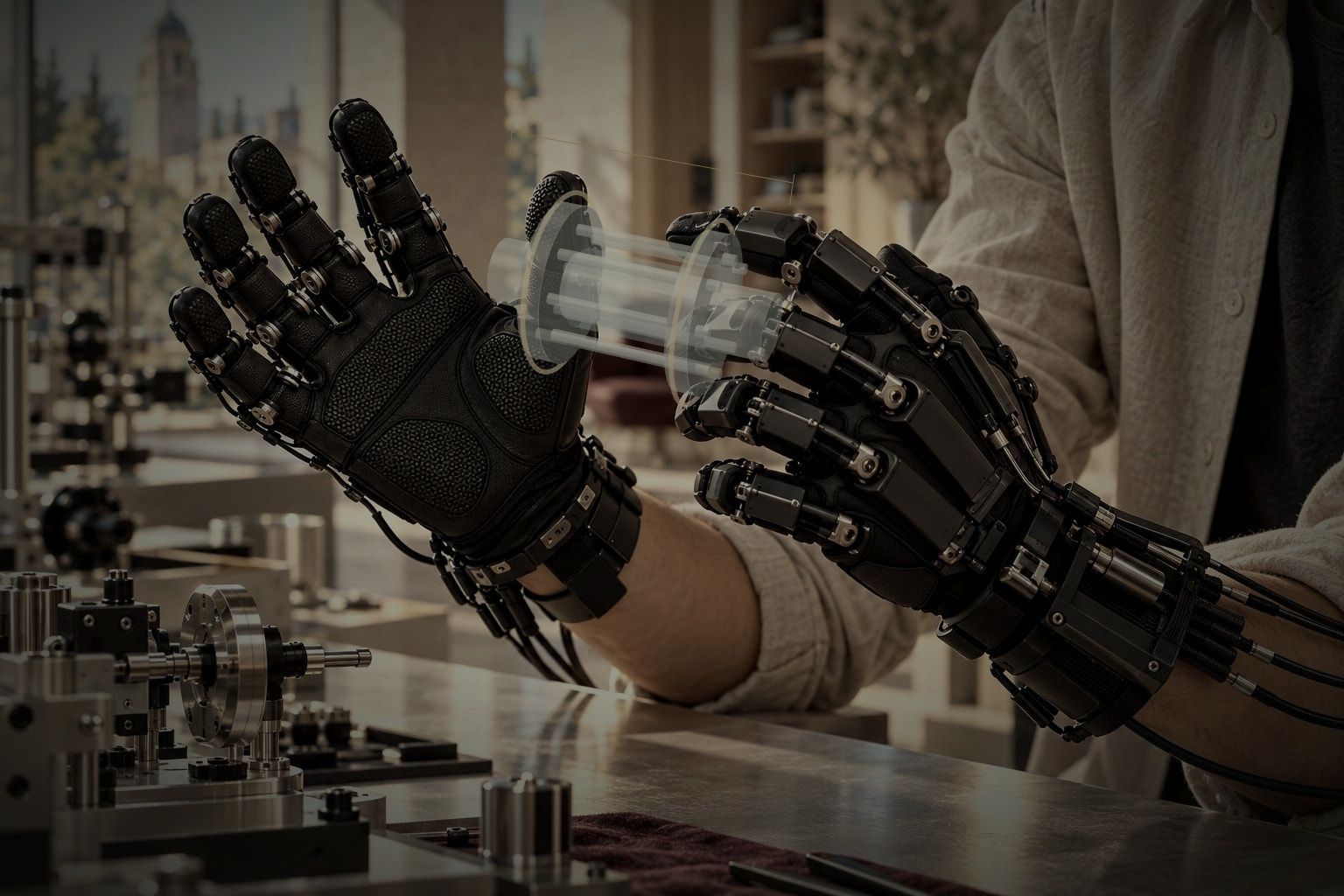
Some things are only learned by hand.
Rehearse a difficult manipulation with instrumented gloves, then carry the same tolerance to the physical bench.
The exact headset, the action that must be felt and the session that must recover are verified before any module depends on them. The plan does not assume that the gloves plug into the headset, and accessible alternatives exist for every setting.
- Shared spatial work
- Spatial Personas, five per session
- Visualization station
- Varjo XR-4
- Haptic station
- HaptX G1
- Tactile actuators
- 135 per hand
Depicted hardware is illustrative, not a verified integration.