

Small first. Then dependable.
Growth to ten centers follows academic evidence and demonstrated capacity, not a calendar.
- 60
A teaching pilot
Complete activities with the advanced equipment, so that what must reproduce, be felt and recover is verified before a module depends on it.
- 250
The first degree students
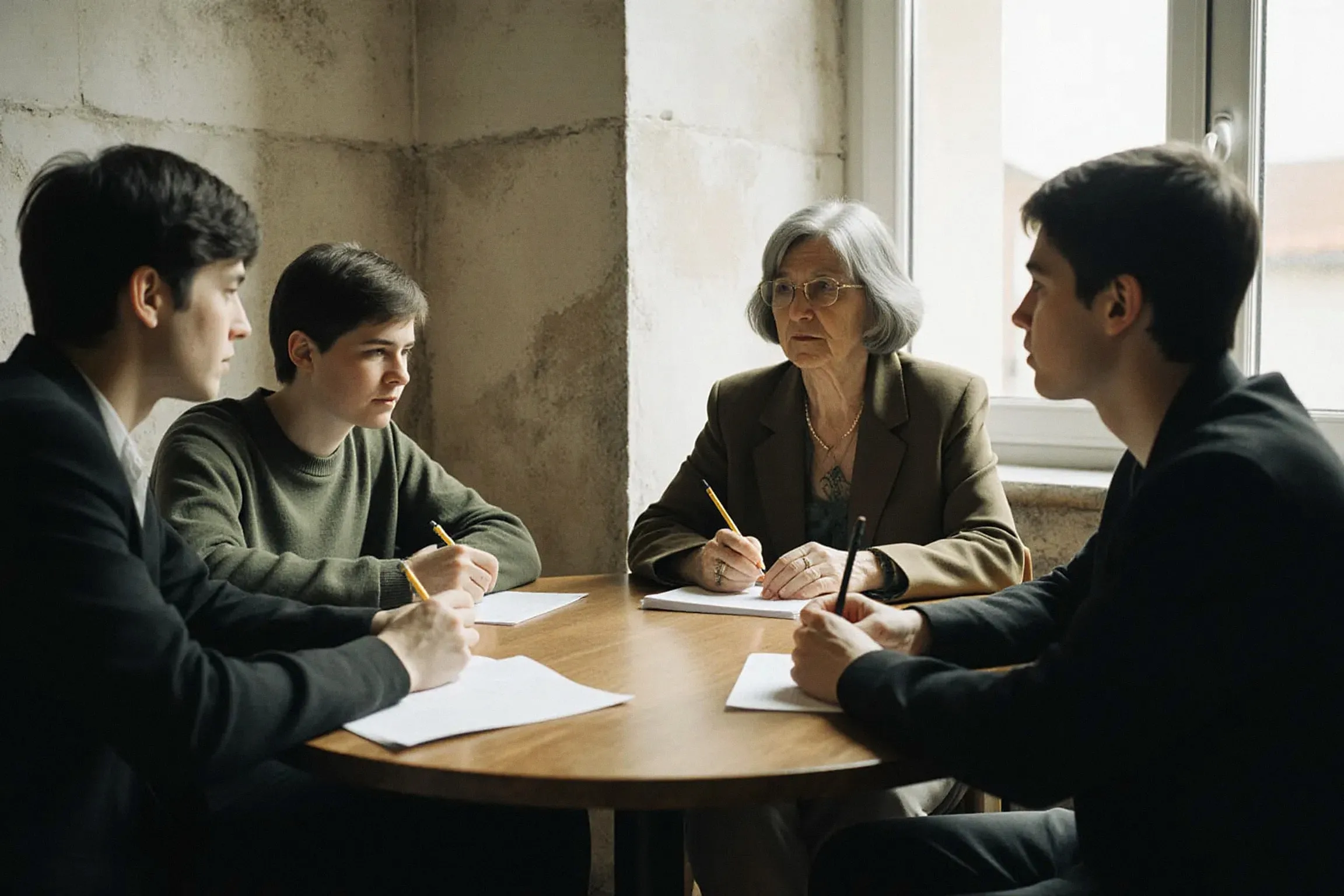
Four small college communities in the founding center, each student with a named mentor.
- 1,000
A full center
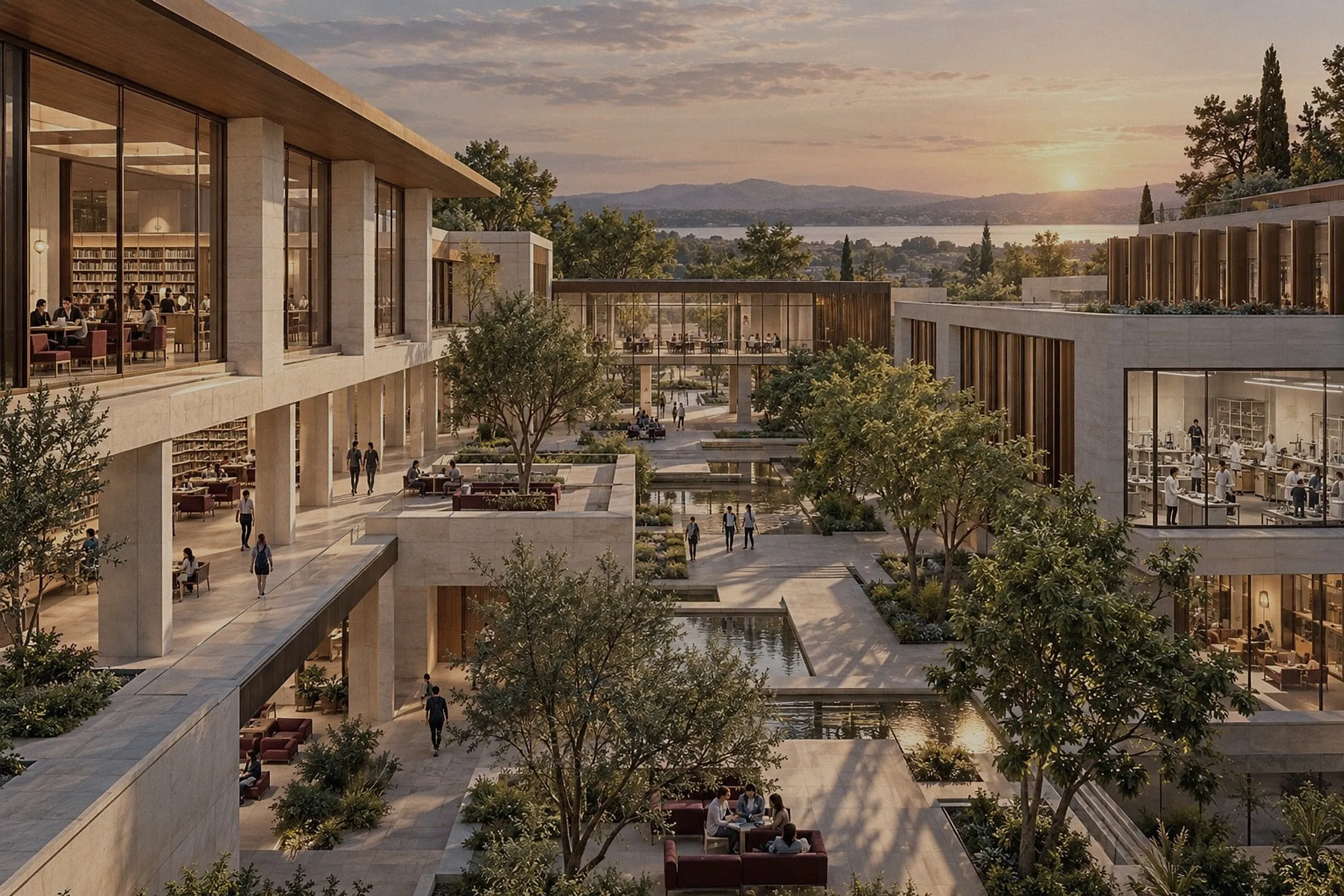
Later cohorts bring the founding center to its full size, with 144 teaching and scholarship faculty and eight research professors.
- 10,000
Ten centers
Each further center needs academic leadership, specialist teachers, usable facilities and local support.
What people ask.
Is Baret open for applications?
Not yet. This site presents a founding proposal. The academic design, staffing provisions and illustrations describe intended arrangements; they do not imply existing appointments, an authorized degree or measured outcomes. Use the question field at the top of this page to be in touch.
Who is the degree for?
Students who want to learn mathematics and computation, investigate the physical world and read closely about human experience and institutions, and who are prepared to defend their own work.
What is asked at entry?
The first-semester modules name their entry conditions: an algebra diagnostic or a completed bridge for mathematics, an analytical reading diagnostic for the humanities, and readiness for programming. A bridge exists for students who arrive without one of them.
How long is the degree, and how is it structured?
Four years and eight semesters: twenty common foundation modules, then a concentration in Computational Systems or Physical Systems Modeling, four research and organizational modules, and a four-module capstone that ends in an individual defense.
How small are the classes?
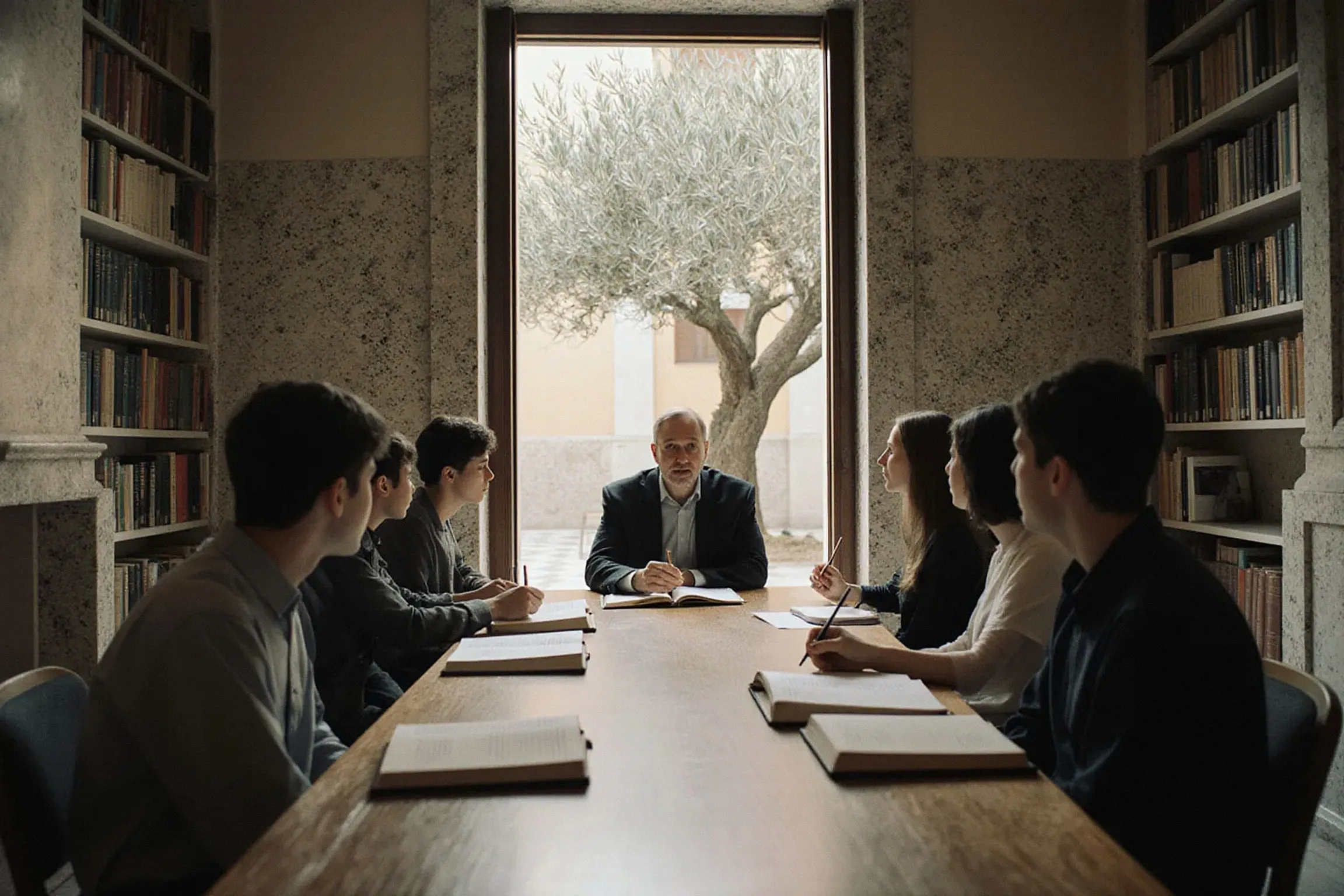
Tutorials of three or four students, research seminars of at most eight, capstone meetings of at most four. A college of 250 gives each student a lasting community and a named mentor.
Do I need to bring a headset or gloves?
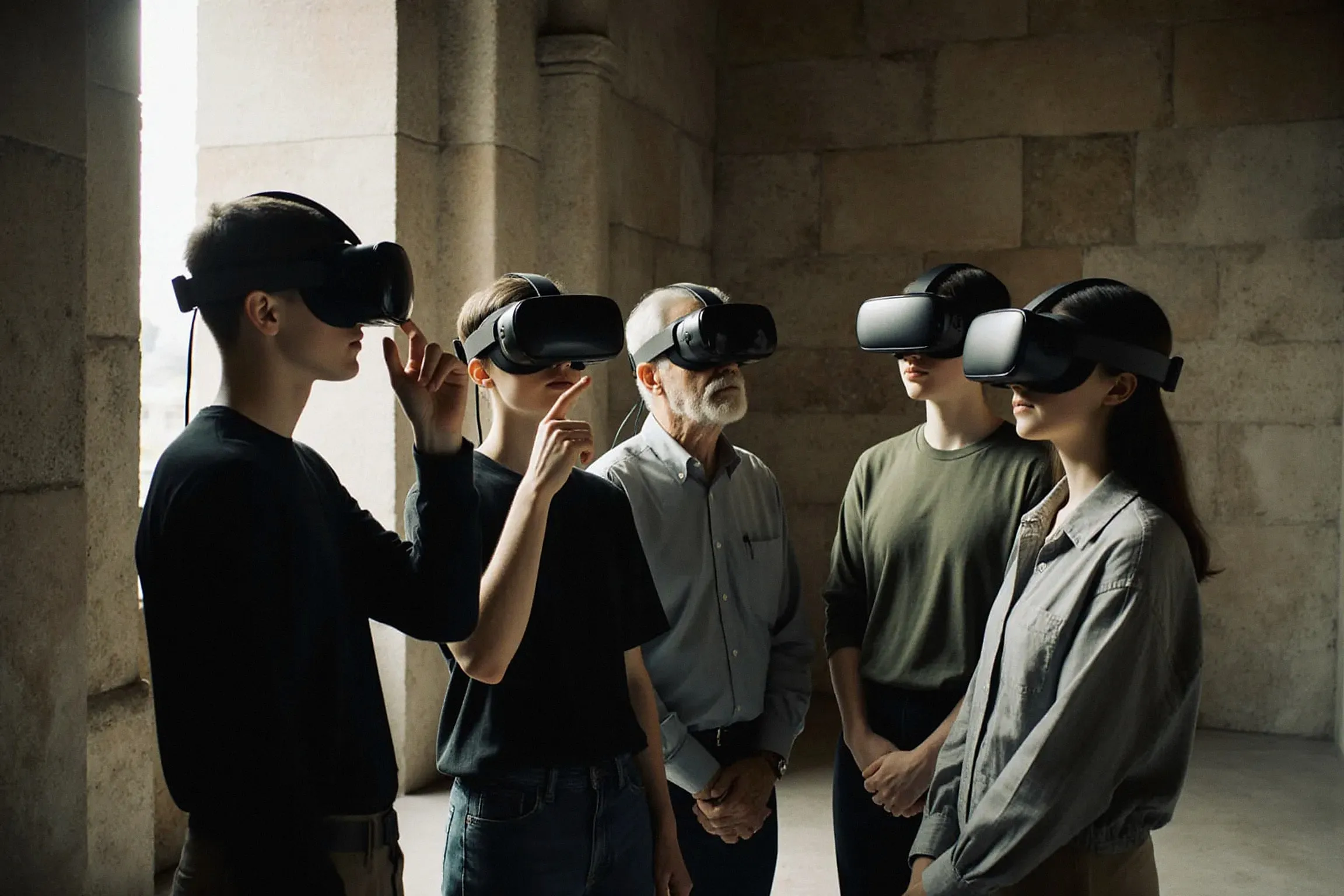
Not in the proposal. Its reference equipment is managed by the institution: computers and headsets for students, gloves and specialist stations in the laboratory. Exact configurations are still to be checked. Immersive equipment is used when spatial relationships or practiced manipulation make a difference, and every setting has an accessible alternative.
What happens first?
A 60-person teaching pilot precedes the first 250 degree students. The first 250 entrants form four small college communities that grow into the first full center of 1,000 students.
What does it cost?
Financial projections are outside the scope of the current proposal. Tuition and funding are not decided.