What is specified, and what is illustrated.
Baret University is a founding proposal. This site is drawn from a research synthesis and an integrated institutional design of 147 pages.
You should be able to tell which is which.
Evidence mode marks every checked claim on the site with its status and its page in the proposal. The build fails if a quoted claim is not on the page it cites.
Specified
Module codes, titles, entry conditions, outcomes, teaching sequences, assessment tasks and hours. Group sizes. The laboratory settings and their reference equipment. Ten centers, forty colleges, 250 students per college. A 60-person pilot before a first intake of 250.
Illustrated
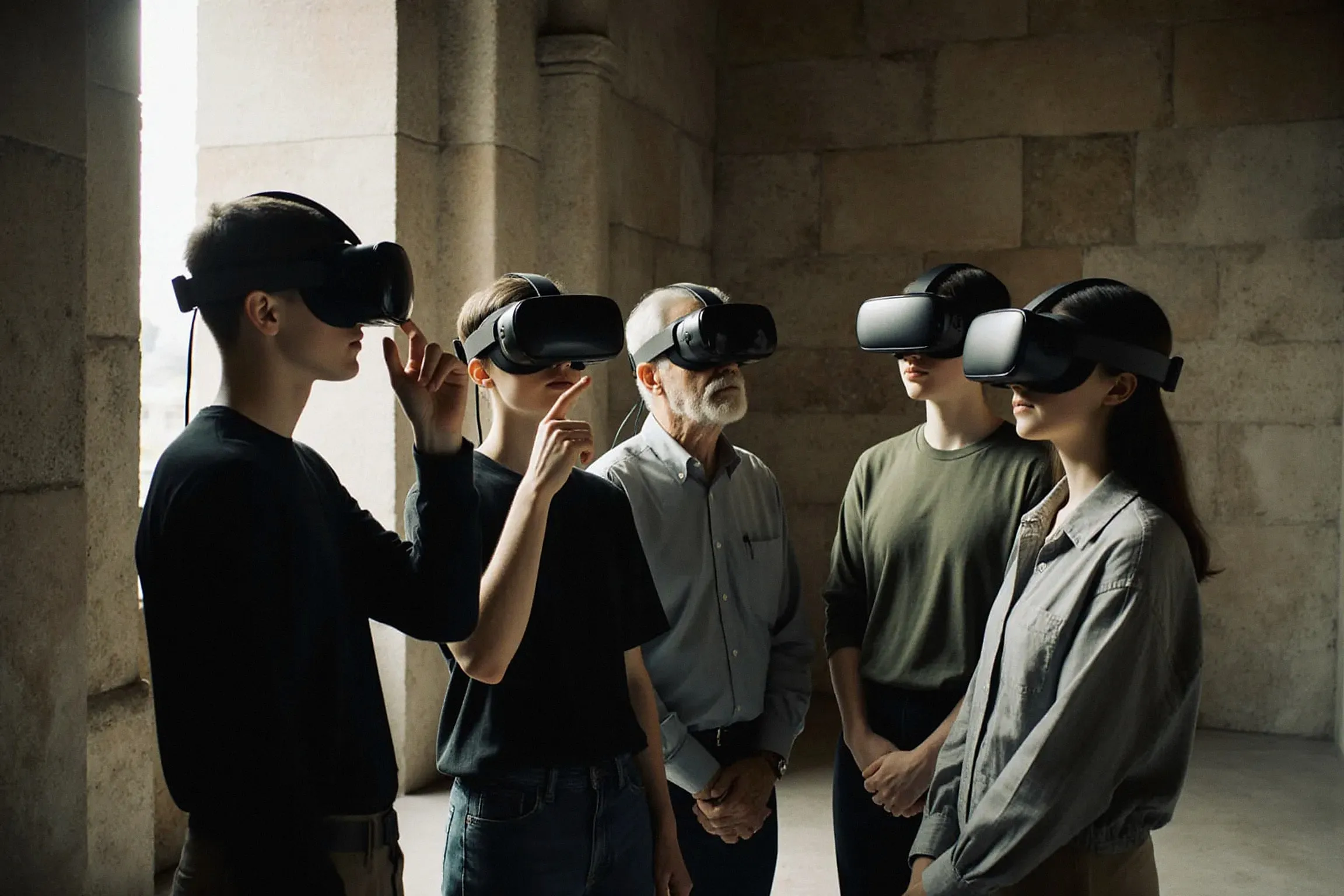
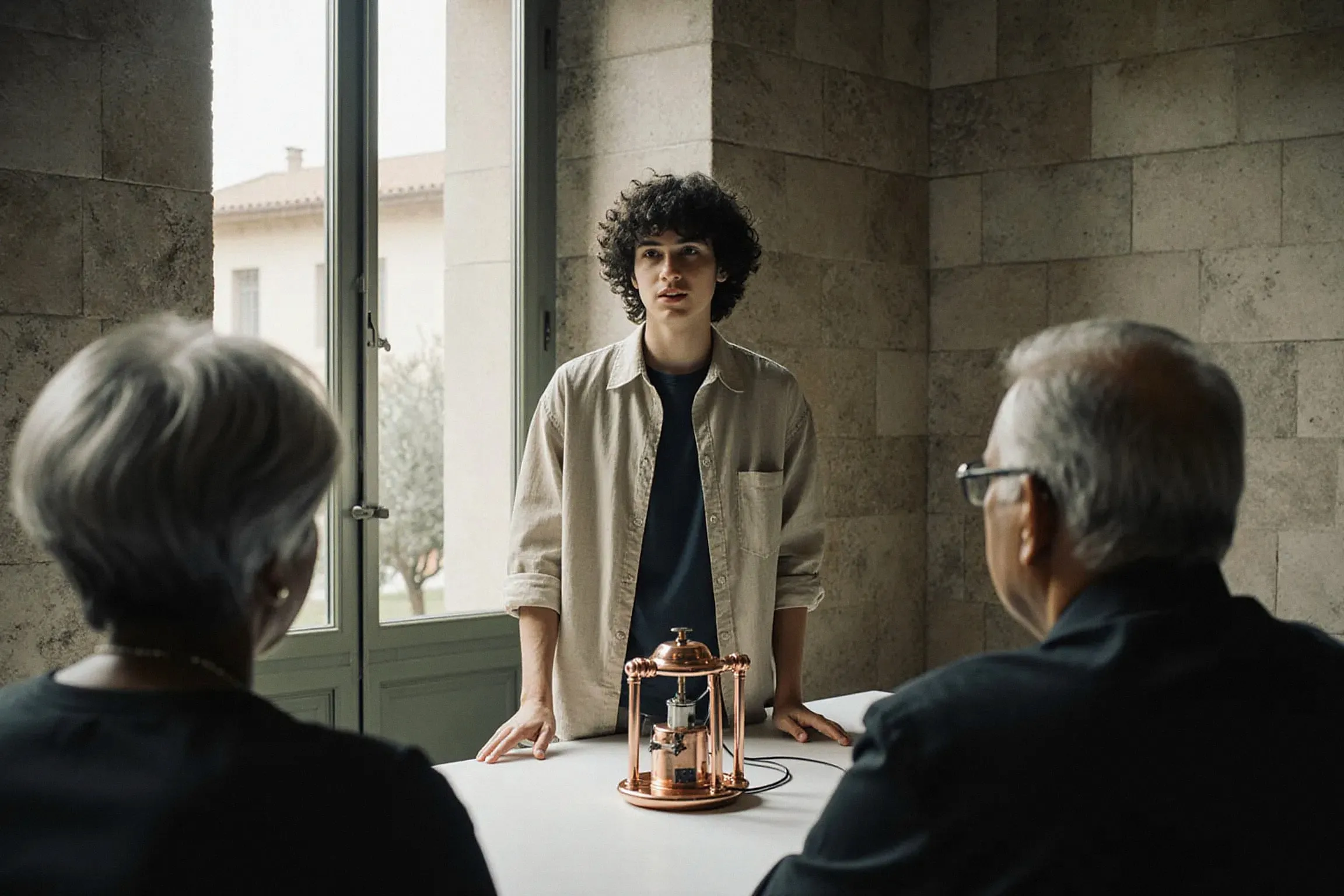
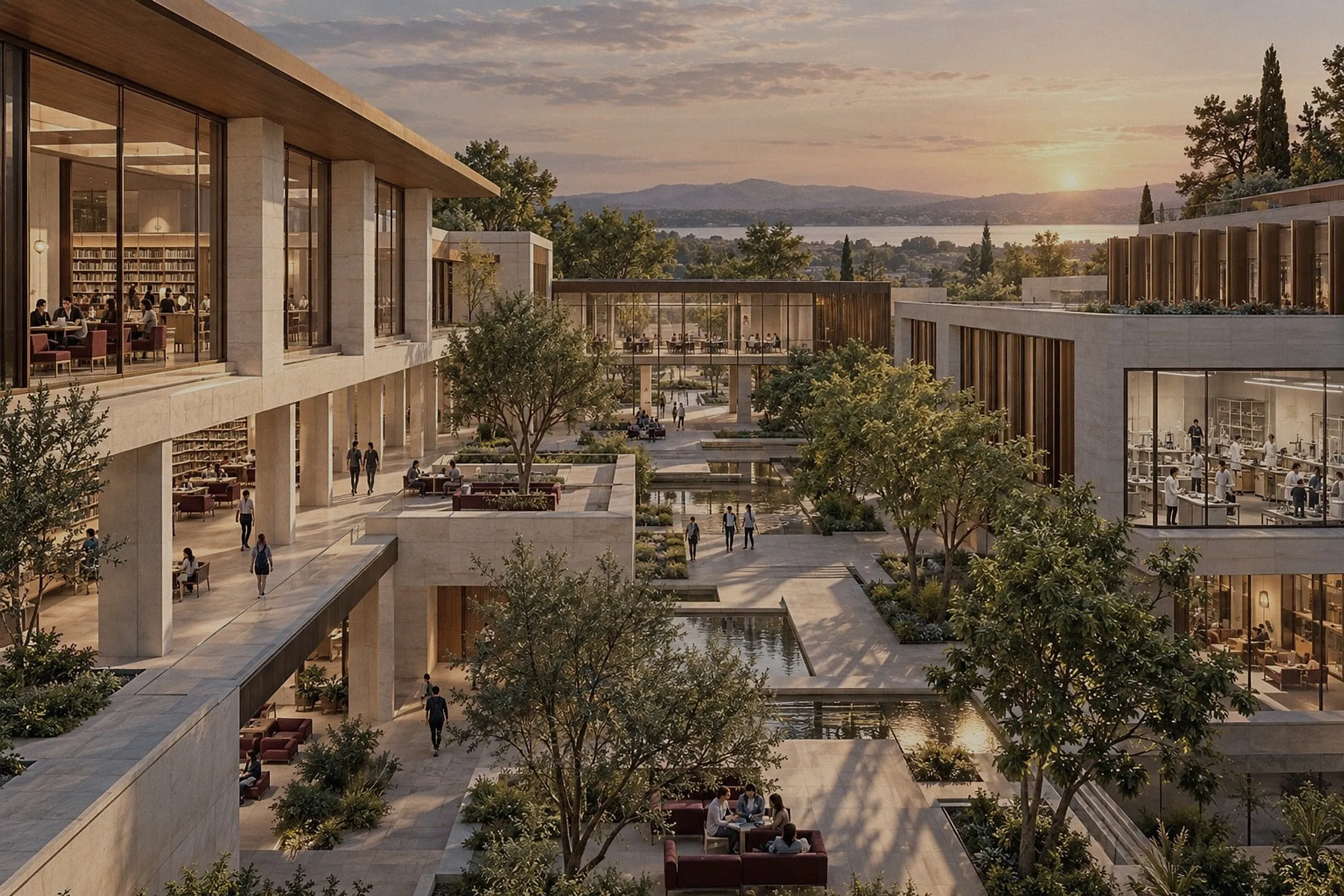
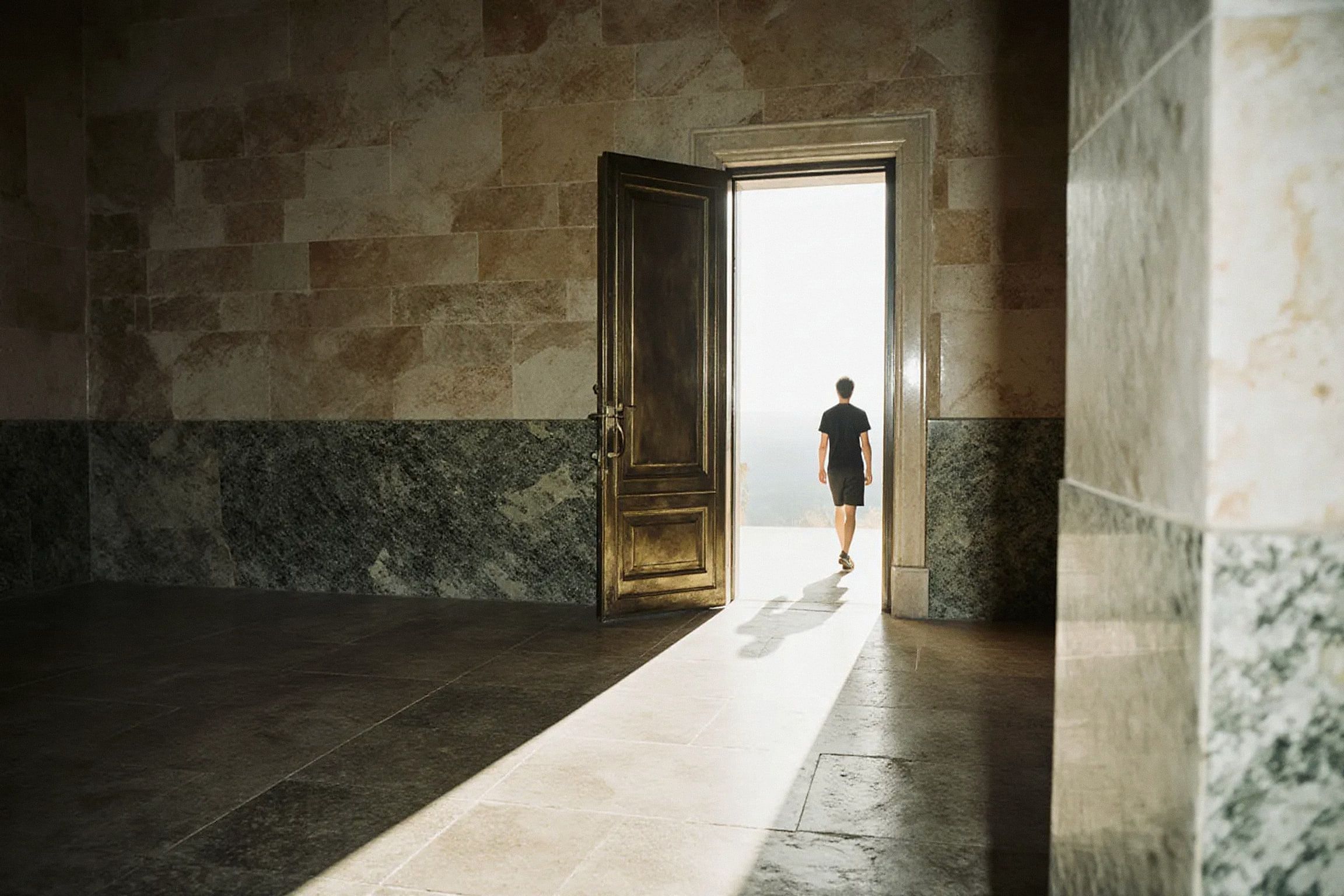
Every image here is a concept, none a photograph of anything that exists. Depicted hardware is illustrative, not a product specification or a verified integration. The capstone case is neither a completed student project nor a claim that capstone delivery has been tested.
Not decided
Site, buildings, appointments, accreditation, tuition and funding. Financial projections are outside the scope of the current proposal.
The ledger.
Every marked claim on this site, with where it stands. 34 entries, generated from the pages when the site is built.
- p. 3 A 60-person teaching pilot precedes the first degree students. Admissions
- p. 3 The first 250 degree students form four small college communities. Admissions
- p. 6 Ten centers, with 10,000 students at maturity. Admissions, Center
- p. 9 The research programs are candidates, not claims about recruited scholars or established laboratories. Research
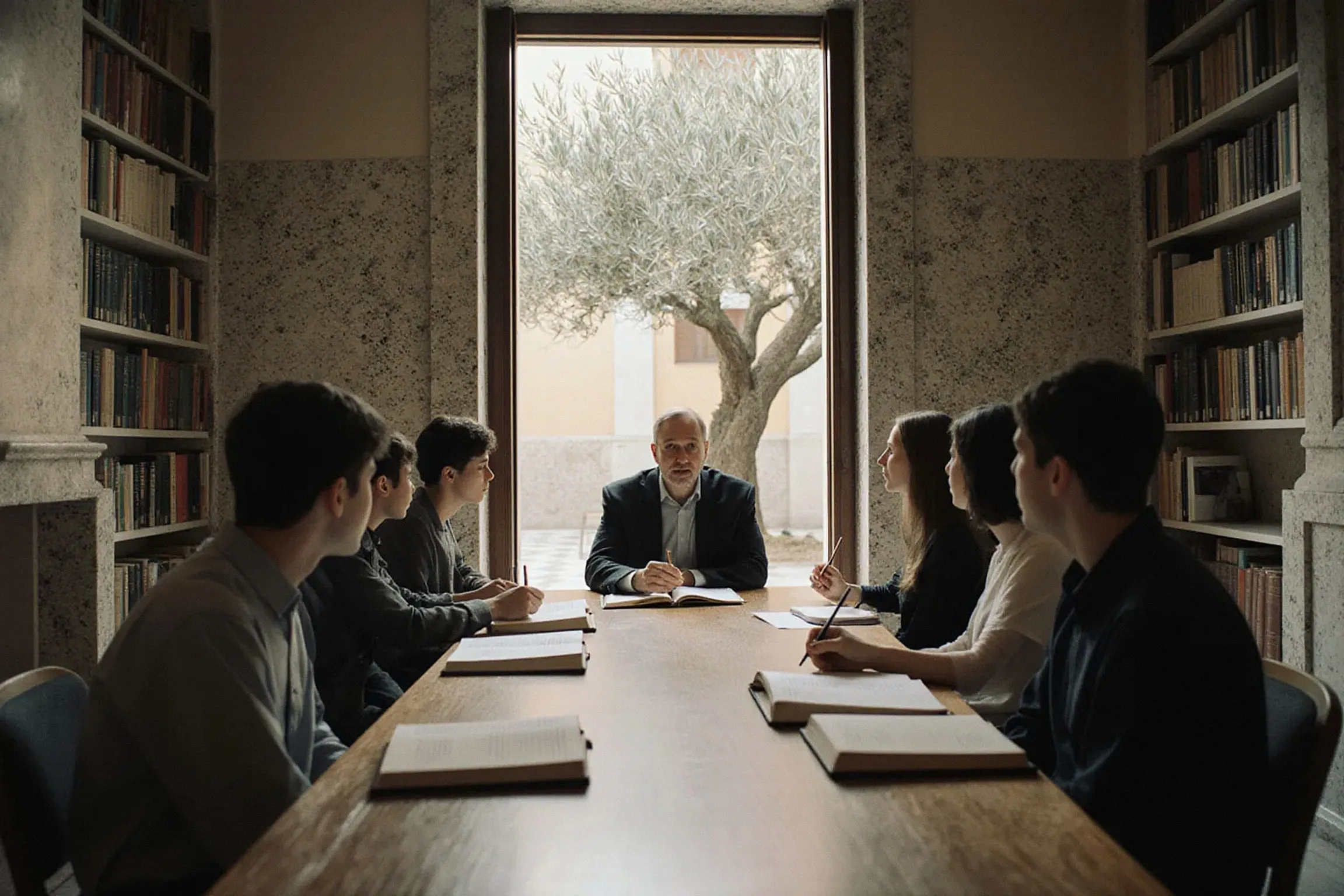
- p. 10 Research seminars have at most eight students. Teaching
- p. 11 The catalog has 52 modules, of which each student takes forty. Degree
- p. 11 Twenty-eight modules are shared by both pathways. Degree
- p. 11 The degree plans 5,760 student hours. Degree
- p. 13 An individual defense changes a condition and asks the student to reason from their own work. Cover
- p. 13 The capstone is 576 hours across four modules. Research
- p. 17 A first-semester week: 9.25 hours of contact and advising, 18.75 individual, 12 collaborative. Week
- p. 20 The tutor explains that result and makes its limits visible. Cover
- p. 21 Four students and a professor share one spatial session. Cover, Laboratory
- p. 21 Scientific values come from a checked model, not the renderer. Laboratory, Research
- p. 22 The reference glove has 135 tactile actuators per hand. Cover
- p. 31 A full center has 144 teaching and scholarship faculty. Center
- p. 31 Eighty research professors at maturity. Research
- p. 32 A full center has 1,000 students. Admissions
- p. 52 An independent reviewer attempts a key reproduction or verification step. Research
- p. 52 The defense has two qualified assessors. Research
- p. 69 The tutor can ask a question, give a hint or explain a worked example. Cover
- p. 94 The reference project expects a result that limits what the system can promise. Cover
- p. 94 Two qualified faculty approve scope, apparatus, data, supervision and the individual evidence plan. Research
- p. 94 An intermediate development review. Individual contributions and permitted tests go on the record. Research
- p. 95 At d = 4 the target is infeasible in this model. Limit
- p. 95 An invented teaching case. Cover
- Illustrated Placement within a day is illustrative. Week
- Illustrated The capstone reference case is constructed, not a completed student project. Cover
- Illustrated The laboratory pairs are concept renderings from the design. Laboratory
- Illustrated Geometry and flow are illustrative. Laboratory
- Illustrated Depicted hardware is illustrative. Laboratory
- Illustrated An illustration of a tutoring exchange. Teaching
- Not decided Site, buildings, appointments, accreditation, tuition and funding are not decided. About
- p. 2 Financial projections are outside the scope of the current proposal. About
How this site is made.
- Images
- Two kinds, both concepts. Pairs in the laboratory and the center at dusk begin from renderings in the integrated design, with virtual layers composited for the pairs. The film stills that carry the cover and open the other pages were generated from written briefs by an image model, FLUX.1 Krea, and share one grade. No person or place pictured exists.
- Type
- Newsreader by Production Type, the voice. Archivo by Omnibus-Type, the instrument, on its width axis. SIL Open Font License, served from this domain.
- The lens
- A WebGL2 shader reads a frame's own pixels as a thermal map, then opens into the next shot. It is a way of looking, not a measurement.
- The exchanger
- Built live with three.js from primitives. It illustrates; it computes nothing.
- The limit
- The teaching model on page 95 of the design, solved step by step in your browser.
- Sources
- Research synthesis, 5 September 2026. Integrated Design, 29 October 2026. Available on request.
- Build
- Static pages from Astro, joined by cross-document view transitions. No tracking, no cookies.
- Browsers
- Made for current browsers. Where motion is reduced or WebGL2 is missing, the same story stands still and complete.
- Contact
- hello@baret.university